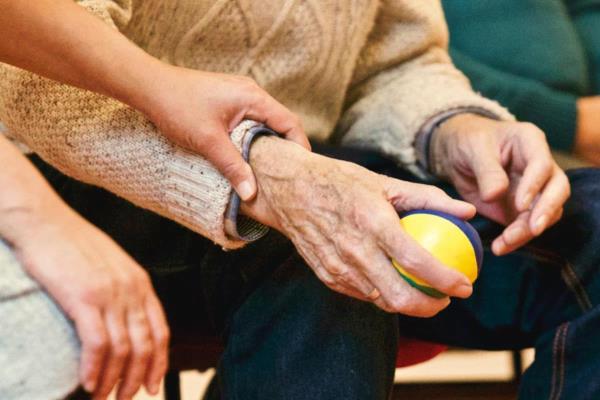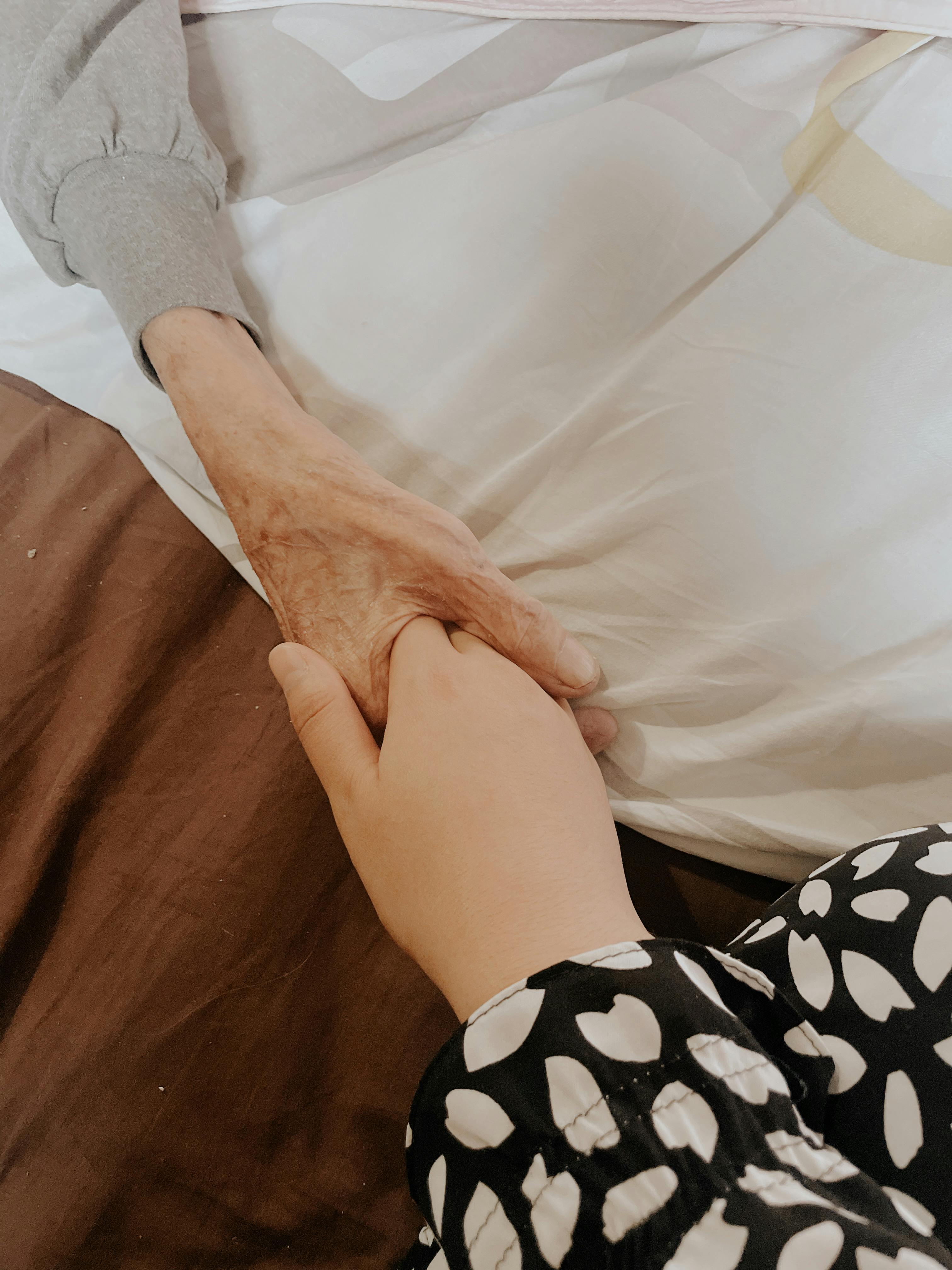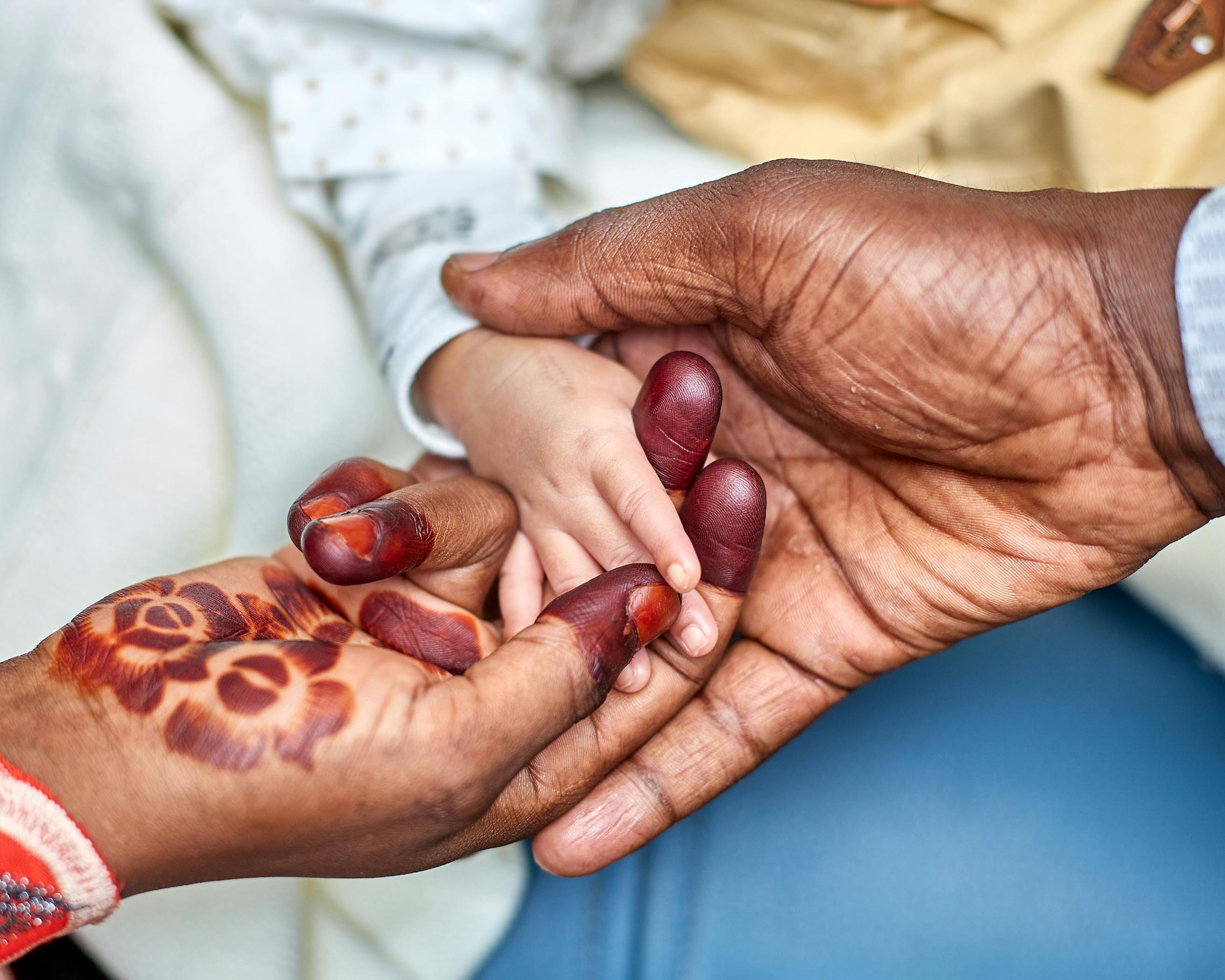
Making care decisions for a loved one nearing the end of life can be deeply emotional and complex. Various families find themselves asking, what is hospice care, and how can it truly help during such a vulnerable time?
The answer is that hospice care is not about giving up. It simply means choosing comfort, dignity, and support when curative treatments are no longer effective.
Whether your loved one is living with a chronic illness or facing the natural decline of age, hospice provides a compassionate approach that focuses on quality of life rather than prolonging treatment. Once you take a look at what this care involves and when it becomes appropriate, it can help you make informed decisions rooted in love, peace, and purpose.
What is Hospice Care in a Nutshell?
At its core, hospice care can be understood as compassionate support for individuals facing a life-limiting illness, with a focus on comfort rather than cure. Hospice care centers on managing pain, easing symptoms, and supporting emotional, spiritual, and practical needs.
It serves not only the senior receiving care but also their family, offering guidance and relief during an often overwhelming season.
At the end of the day, the purpose of hospice is to help seniors live their remaining time with dignity and as much comfort as possible.
A hospice team typically includes nurses, aides, social workers, and spiritual counselors who work together to create a personalized care plan. Rather than aggressive medical interventions, hospice emphasizes peace, connection, and quality of life during the final stages of aging or illness.
The Benefits of Hospice Care for Seniors
Choosing hospice can sometimes be one of the most compassionate decisions a family can make for a loved one nearing the end of life. The advantages of hospice extend beyond pain management and also include emotional support, spiritual care, and guidance for family members.
These are just a couple of reasons why hospice care is important. Below are the detailed key benefits of hospice care at home for seniors.
1. Reduced Stress and Anxiety
When seniors receive care in familiar surroundings, it can have a profound effect on their emotional well-being. Waking up surrounded by personal belongings, cherished photos, and comforting décor often helps calm the mind and ease the pressure that comes with major health challenges.
Numerous families believe that this sense of familiarity becomes one of the most significant advantages of hospice care. The ability to remain in a beloved environment supports emotional balance and reduces the fear that often accompanies major illness.
Homes are full of sensory memories linked to safety, love, and life routines. Being in such spaces can lessen feelings of isolation and help maintain personal identity even as health needs increase.
Research shows that seniors in familiar living environments tend to experience lower levels of anxiety and stress compared to those relocated to unfamiliar clinical settings. Situations that might otherwise heighten worry, such as medical equipment or frequent transfers, feel less invasive when managed in the home.
Along with a reduction in emotional distress, seniors experience improved engagement with family members and caregivers. This reduction in stress and anxiety highlights why hospice care is important not just for physical comfort but also for protecting the dignity and peace of the individual during end-of-life care.
2. Greater Family Involvement

One of the most meaningful benefits of being put on hospice is the opportunity for seamless family involvement. When a loved one receives care at home, there are no rigid visiting hours or limitations on who can come and go.
Family members and close friends can spend time together, talk freely, share memories, and support one another without feeling rushed. This constant presence nurtures emotional bonds and fosters a sense of unity during a time that can otherwise feel isolating for everyone involved.
Being able to participate in daily routines, such as sharing meals, reading together, or simply sitting side by side, helps family members stay connected on a deeper level. Seniors may even feel comforted by the faces and voices of those they love most.
This level of engagement promotes emotional comfort and also a sense of belonging right up to the final moments of life.
According to studies, family involvement in home-based care settings significantly improves emotional well-being for both the senior and their caregivers. This involvement also supports open communication about wishes, care preferences, and important life reflections.
3. Control Over Daily Life
Maintaining control over even the smallest aspects of daily life can be deeply reassuring for seniors. Simple choices, like deciding when to wake up, what to wear, or whether to have a pet nearby, can help preserve a sense of normalcy and self-respect.
These freedoms might seem minor, but they hold great value during a time when many things may feel uncertain or out of one's hands. If you are wondering when do people go on hospice, it typically begins when comfort, routine, and dignity become more important than aggressive treatments.
Hospice care supports this change by making sure the individual’s preferences come first. Schedules can be built around the person, not the system, and meals can be customized. Even their favorite music can play in the background.
This ability over their own experience, even in small ways, is one of the key reasons why hospice becomes a meaningful choice.
Preserving dignity and autonomy during the final stages of life helps in being seen, respected, and allowed to live on your own terms for as long as possible. Hospice makes that possible in ways traditional medical care often cannot.
4. Enhanced Privacy
A valued aspect of in-home hospice care is the privacy it provides. In the comfort of a personal home, moments of deep connection can unfold with no hesitation or interruption. After all, these are sacred and emotional exchanges that deserve peace and a sense of security. At the end of the day, this level of privacy is among the most important reasons for hospice care.
Unlike shared hospital rooms or busy clinical environments, a home setting ensures a space to grieve, reflect, or simply sit together in silence. Family members can visit at any hour, stay as long as needed, and express emotions freely.
Loved ones can pray together, hold hands, or offer comfort in whatever way feels right without background noise or outside pressure.
Keep in mind that the main purpose of hospice care is to prioritize quality of life and respect the person’s emotional and spiritual needs. Privacy plays a key role in fulfilling that mission. It allows families to navigate this sensitive chapter with dignity, togetherness, and a sense of personal peace that only a familiar space can offer.
Choosing Comfort and Compassion
As you figure out what is hospice care, you will be able to understand that it is a far better option than medical intervention. It enables you to choose comfort, dignity, and support at a time when those things matter most. Hospice care also allows seniors to live their final days in peace, surrounded by the people, memories, and comforts that define home.
At Home Instead, we believe every senior deserves personalized and compassionate care during this tender season. Our In Home care professionals in in Henderson are trained to support families with respect, empathy, and a deep commitment to honoring each person's unique journey.
From assistance with daily tasks to emotional and spiritual support, we walk beside you every step of the way.
If you are considering hospice support in Henderson, reach out to us. We will help you create a care plan that reflects love, comfort, and the highest level of dignity.
Contact Us Today
Call us today at (702) 843-1421 and see how Home Instead Henderson and Boulder City can help your family. Whether you need Alzheimer's & Dementia Care, 24-Hour Care, Arthritis Care or another type of In-Home Senior Care, our Home Care Team is ready to help your Henderson and Boulder City senior. Or fill out the contact form.