
There is no doubt that aging brings wisdom, memories, and perspective, but it can also introduce challenges that affect daily living. There are various everyday problems for the elderly that we do not know about, ranging from physical limitations to cognitive changes. These make simple routines more difficult than they once were.
On this note, seniors who wish to stay in the comfort of their own homes face these challenges that can feel especially overwhelming when support is limited or inconsistent.
These struggles usually go unnoticed until they begin to impact safety, health, or emotional well-being. Tasks like preparing meals, remembering medications, or even getting out of bed can become sources of stress.
Beyond the practical difficulties, many older adults face feelings of isolation, anxiety, or disconnection, particularly those living alone or managing conditions like dementia.
The good news is that compassionate and personalized care can make a meaningful difference. In-home care for the elderly offers support not only with physical tasks, but also with companionship, memory care, and routine, all in a familiar setting. It is a form of care that prioritizes dignity, independence, and quality of life.
Everyday Problems for the Elderly and How Home Care Can Ease the Burden
Residing in their home, as they face various health issues that come with age, allows seniors to experience comfort and familiarity. However, it also requires practical support as daily tasks become more difficult.
Many families may not realize how deeply everyday problems for the elderly can affect mental, physical, and emotional well-being until those issues begin to interfere with daily life. That is where consistent and compassionate elderly care plays a vital role.
Here are some of the most common challenges older adults face and how in-home care provides day-to-day solutions.
1. Dementia and the Challenge of Cognitive Decline
As people age, it is natural for some memory and cognitive functions to slow down. However, for millions of older adults, this decline goes above and beyond forgetfulness and becomes something more serious, which is dementia.
Dementia is not a single condition, but a general term for a range of cognitive impairments that interfere with daily life. Among them, Alzheimer’s disease is the most common and well-known.
According to research, more than 55 million people live with dementia worldwide, and nearly 10 million new cases are diagnosed each year.
In the United States alone, Alzheimer’s affects over 5 million people aged 65 and older. This growing number underscores the importance of recognizing and addressing the unique needs of those living with cognitive decline.
Families often try to support loved ones with dementia at home, but this can be emotionally and physically exhausting. That is where caring for the elderly at home with the help of trained in-home care professionals comes in.
Caregivers experienced in dementia support know how to respond to moments of confusion, agitation, or paranoia. They understand how to create daily routines, limit environmental triggers, and communicate with clarity and compassion.
2. Malnutrition and Nutritional Gaps
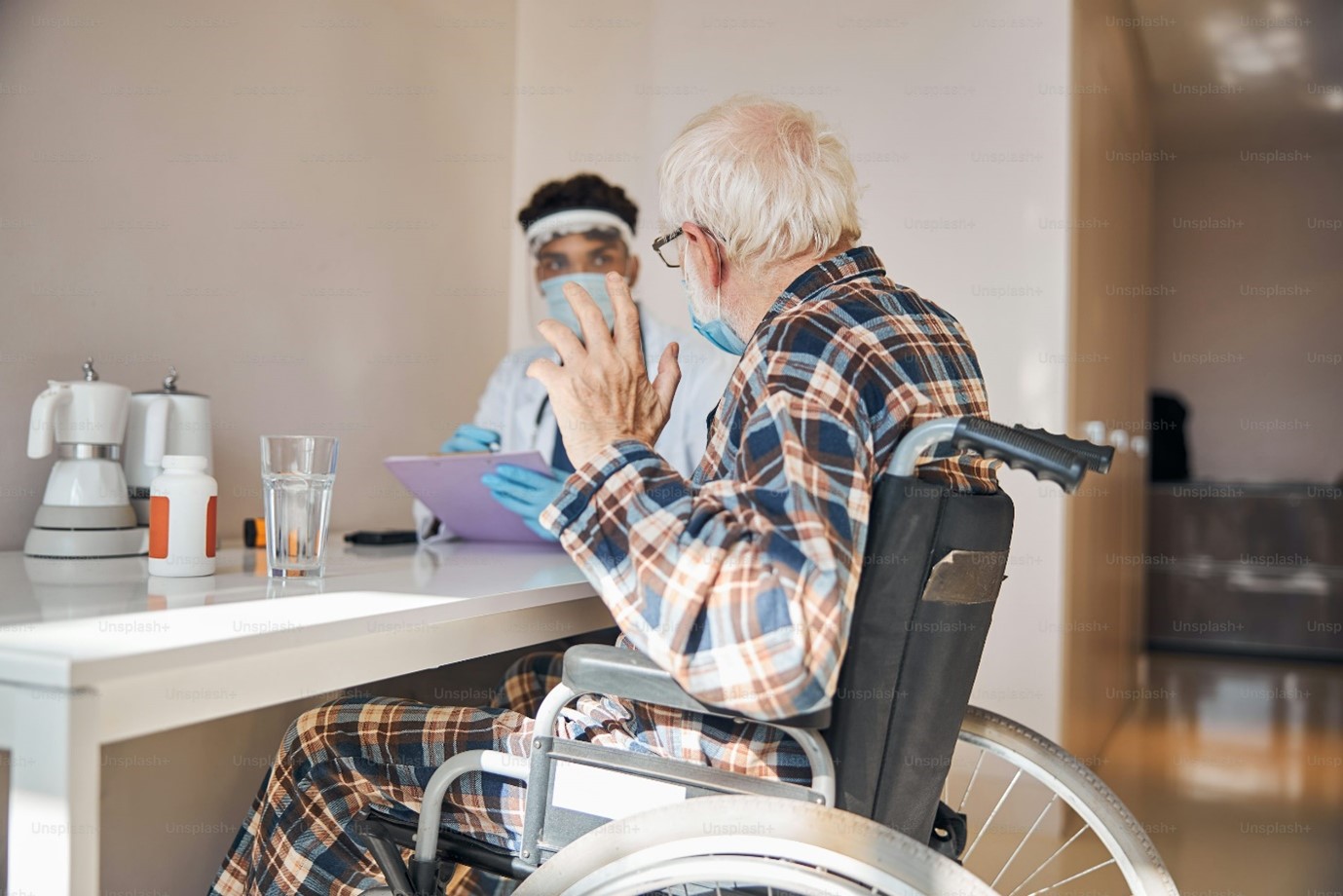
Among the more overlooked common everyday problems older adults face is malnutrition. It does not always look significant at first. Sometimes it begins with subtle weight loss, low energy, or a decreased appetite. Eventually, however, poor nutrition can weaken the immune system, slow healing, and increase the risk of falls or hospitalization.
There are many reasons this happens. Physical limitations such as arthritis or muscle weakness can make standing at the stove difficult. Meanwhile, cognitive changes may cause someone to forget meals altogether.
On the other hand, depression can reduce appetite. For others, a limited income or difficulty getting to the grocery store makes consistent access to fresh and healthy food a challenge.
On this note, 1 in 2 older adults is at risk of malnutrition, which can significantly affect overall health and independence.
Addressing this issue usually requires more than simply recommending healthier foods. Practical support makes a meaningful difference. In- home assistance with grocery shopping, meal planning, and preparing balanced dishes tailored to dietary restrictions can restore both nutrition and routine. Encouraging small and frequent meals and incorporating fruits, vegetables, lean proteins, and whole grains also supports strength and energy.
When nutrition improves, so does overall well-being. What may seem like a minor daily struggle can influence nearly every aspect of health. With the right support, it is a problem that can be managed thoughtfully and effectively.
3. Falls and the Risk of Injury
Falls are one of the most serious safety concerns for older adults. As the body ages, muscle strength decreases, joints become less flexible, and balance may not be as steady as it once was. Even a small misstep can lead to significant injury.
What might have been a minor stumble years ago can now result in fractures, hospital stays, or a long recovery period.
The fear of falling can also change behavior. Some older adults begin limiting their movement to avoid risk, which unfortunately leads to further muscle weakness and reduced confidence. It becomes a cycle that is difficult to break without support.
Prevention plays a critical role in reducing this risk. Simple home modifications, such as removing loose rugs, securing cords, improving lighting, and installing grab bars in bathrooms, can make a noticeable difference. Encouraging gentle strength and balance exercises also helps maintain mobility over time.
This is where attentive elderly care becomes especially valuable. Skilled in-home caregivers offer supervision during walks, assist with transfers in and out of bed or chairs, and identify potential hazards in the home environment.
Beyond physical support, these professionals also offer reassurance and help seniors feel safe enough to remain active. With thoughtful adjustments and consistent care, many falls can be prevented before they happen.
4. Hearing and Vision Loss in Daily Life
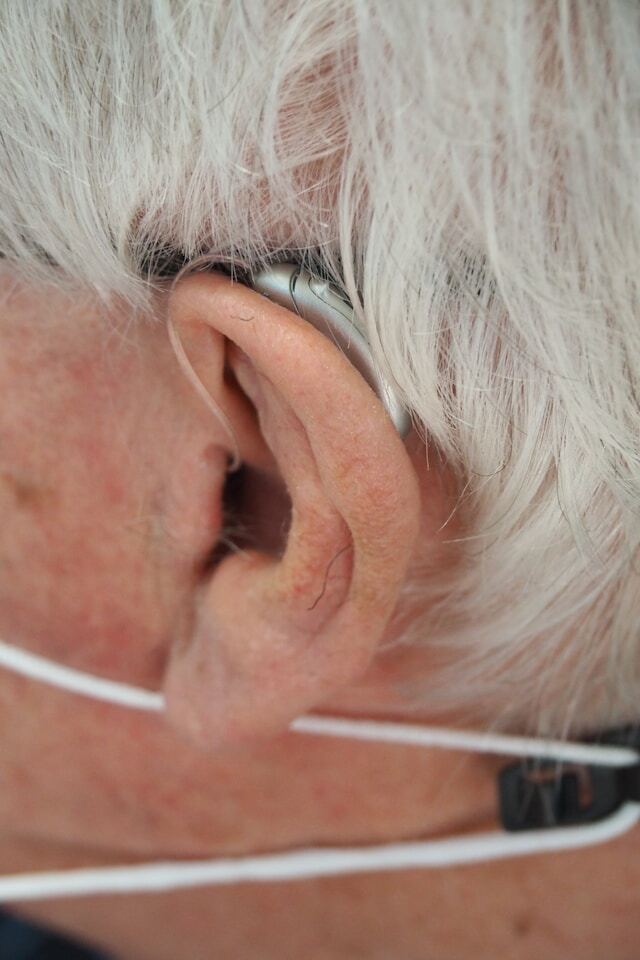
As adults grow older, changes in hearing and vision develop gradually. These changes may seem like small inconveniences at first, but eventually, they can significantly affect a person's confidence, independence, and safety.
Simple tasks like reading a medicine label, watching television, or having a conversation in a noisy room become more difficult.
These sensory challenges are among the everyday problems for elderly individuals that can chip away at their quality of life. For those with limited vision, poor lighting, or cluttered walkways can turn a familiar home into a hazardous space.
Hearing loss can lead to misunderstandings, social withdrawal, or feelings of isolation, especially when communication becomes frustrating.
In-home caregivers play an important role here by observing changes, helping manage appointments with specialists, and making sure these devices are used consistently. With a little support and thoughtful planning, seniors with hearing and vision loss can continue to engage with the world around them.
A Compassionate Approach to Everyday Challenges
As people grow older, they start to face a unique set of changes, and while some challenges are expected, they do not have to overwhelm seniors or their families. From managing cognitive conditions like dementia to addressing everyday problems for elderly, such as falls, malnutrition, and sensory decline, the right support makes all the difference.
This is where Home Instead steps in, not just as a senior home care in Henderson, but as a trusted companion in the aging journey. With years of experience in compassionate and relationship-based elderly care, Home Instead tailors every care plan to meet the personal needs of each individual.
If you are navigating care decisions for a loved one or want to understand more about how in-home support can ease the burdens of aging, reach out to us right away.
Contact Us Today
Call us today at (702) 843-1421 and see how Home Instead Henderson and Boulder City can help your family. Whether you need Alzheimer's & Dementia Care, 24-Hour Care, Arthritis Care or another type of In-Home Senior Care, our Home Care Team is ready to help your Henderson and Boulder City senior. Or fill out the contact form.