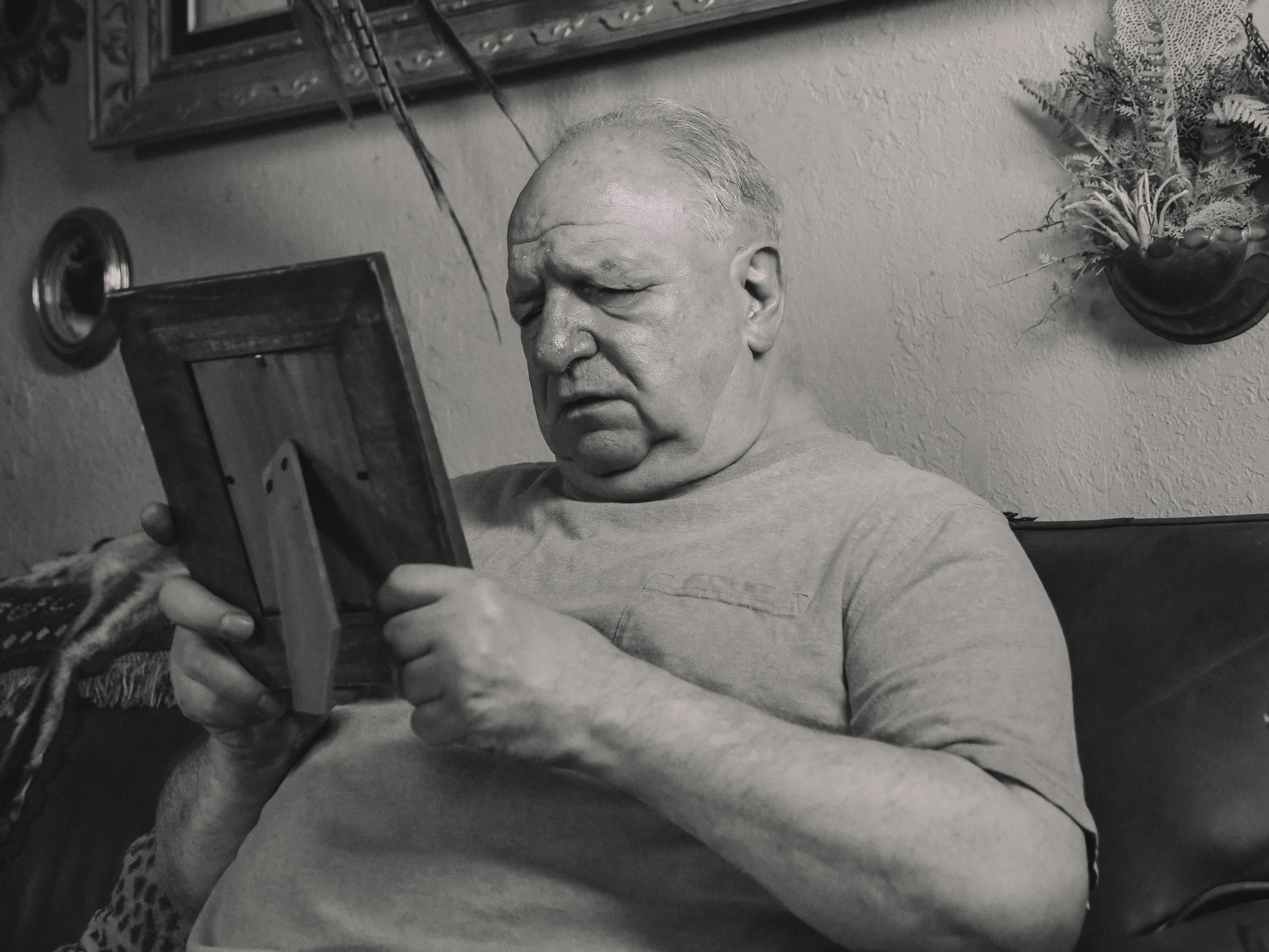
Dementia is a life-changing condition that affects not only the person diagnosed but also their family, caregivers, and community. As memory loss, confusion, and personality changes progress, many people begin asking an important and often confusing question: Is dementia a disability?
Understanding dementia, medically, legally, and functionally, can help families plan better, access Dementia Care in Henderson, and explore effective options to respond with compassion and wisdom. In this article, we’ll break down what dementia is, how it’s categorized, and why the answer isn’t always as simple as “yes” or “no.”
What Is Dementia?
Before addressing disability status, it’s important to understand what dementia actually is.
According to the World Health Organization (WHO), about 57 million people worldwide are living with dementia, and nearly 10 million new cases are diagnosed each year.
Unlike many other medical conditions, dementia is not a single disease. Instead, it is an umbrella term used to describe a group of symptoms caused by disorders that affect the brain. These symptoms typically include memory loss, impaired reasoning, difficulty communicating, and changes in mood or behavior. Some of the most common forms of dementia include Alzheimer’s disease, vascular dementia, Lewy body dementia, and frontotemporal dementia.
Dementia is progressive, which means that symptoms usually worsen over time. Early on, individuals may appear mostly normal, perhaps forgetting names or appointments. As the condition advances, they may struggle with basic tasks such as cooking, dressing, or remembering family members’ names. In the final stages, full-time care is often required.
It’s important to remember that dementia affects everyone differently. Two people with the same diagnosis can experience very different symptoms and progression rates. Understanding the unique pattern of the disease is critical for effective care and support.
Is Dementia a Disability or Illness?
Medically, dementia is an illness caused by physical changes in the brain, such as neuron damage, plaque buildup, or vascular issues. This physical damage leads to the cognitive decline and behavioral changes that define the condition.
However, from a functional and legal point of view, dementia is often treated as a disability once it significantly limits a person’s ability to perform daily activities. A person who struggles to manage finances, maintain hygiene, or navigate daily routines because of memory loss is considered functionally disabled.
In simple terms:
- Dementia starts as an illness that damages the brain.
- It often becomes a disability as symptoms progress and independence declines.
This distinction is important because disability classification affects access to benefits, workplace accommodations, and long-term care resources. Recognizing dementia as a disability allows families to seek support and legal protections earlier, which can reduce stress and improve quality of life for both the individual and caregivers.
Is Dementia Considered a Disability Under the Law?

In many countries, including the United States, dementia can qualify as a disability under disability rights laws when it substantially limits major life activities such as working, communicating, learning, or self-care. Individuals with dementia may be eligible for:
- Social Security Disability benefits, depending on age and severity
- Workplace accommodations for early-stage symptoms, like memory aids or flexible schedules
- Protection against discrimination in employment, housing, and public services
- Access to support services, home care, or assisted living resources
What Type of Disability Is Dementia?
Dementia is generally classified as a cognitive or neurological disability. Unlike physical disabilities, which primarily affect mobility or strength, dementia primarily impacts thinking, memory, judgment, and behavior.
Key characteristics of dementia as a disability include:
- Impaired memory and learning
- Reduced problem-solving and decision-making abilities
- Difficulty with communication and comprehension
- Changes in personality, behavior, and emotional regulation
Exploring further: Is Dementia a Mental Disability?
Dementia is sometimes grouped with mental disabilities because it affects cognitive and psychological functioning. However, it is more accurately described as a neurological condition with cognitive impairment, rather than a mental illness like depression or anxiety.
However, dementia often brings many other mental health challenges, such as:
- Depression, due to loss of independence and frustration
- Anxiety, especially in unfamiliar situations
- Agitation or mood instability, as memory and comprehension decline
- Emotional withdrawal and social isolation
Because of this overlap, individuals with dementia benefit from counseling and emotional support that addresses both cognitive decline and mental well-being. Early intervention with counseling, cognitive therapies, and structured routines can slow emotional distress and improve quality of life.
How Dementia Impacts Daily Life and Independence
The reason dementia is widely recognized as a disability is its unfortunate impact on everyday life.
As dementia progresses, individuals may struggle with simple everyday tasks such as:
- Managing finances and paying bills
- Driving safely or navigating public transportation
- Remembering medications or doctor appointments
- Maintaining personal hygiene and grooming
- Recognizing loved ones or familiar places
- Making safe and sound decisions
These challenges are emotionally overwhelming for both the individual and their family. Spouses may feel like they are slowly losing their partner, children may take on caregiving responsibilities, and family dynamics often shift dramatically.
Emotional and Relational Challenges of Dementia

Dementia affects not only cognitive function but also emotional health and relationships.
Individuals with dementia may experience:
- Fear, confusion, and frustration as their abilities decline
- Shame or embarrassment in social situations
- Emotional withdrawal and difficulty expressing themselves
- Spiritual distress or existential questioning
Caregivers often face their own challenges:
- Chronic stress and burnout
- Grief over the gradual loss of the loved one they knew
- Guilt, anger, or helplessness
- Strain on marriage, parenting, or family relationships
Support, Care, and Counseling for Dementia

While dementia cannot currently be cured, supportive care can greatly improve quality of life. Studies show that activities like memory exercises, social programs, and structured routines can help people with dementia feel better and stay more independent.
Effective strategies include:
- Medical management to slow symptom progression and address coexisting conditions
- Structured daily routines to provide stability and reduce confusion
- Emotional and spiritual counseling for the individual and family
- Family education programs to teach safe caregiving and communication techniques
- Social engagement and cognitive activities to maintain mental function
Final Thoughts
The answer to the question is dementia a disability is unfortunately a ‘Yes’. While dementia begins as a medical illness, it is widely recognized as a disability once it interferes with daily functioning, independence, and quality of life. It may be described as a cognitive, neurological, or mental disability depending on the context, but its impact on individuals and families is real.
Recognizing dementia as a disability allows families to seek legal protections, benefits, emotional support, counseling, and day-to-day care. This is where compassionate, personalized help can make all the difference.
Home Instead offers individualized, in-home senior care services in Henderson that are designed to meet each person's physical, emotional, and cognitive needs. With trained caregivers who understand the unique challenges of dementia, families can feel confident knowing their loved one is receiving care that promotes safety and dignity right in the comfort of their home.
Planning ahead and surrounding yourself with the right support allows families to focus less on stress and uncertainty, and more on meaningful moments, connection, and quality of life.
Contact Us Today
Call us today at (702) 843-1421 and see how Home Instead Henderson and Boulder City can help your family. Whether you need Alzheimer's & Dementia Care, 24-Hour Care, Arthritis Care or another type of In-Home Senior Care, our Home Care Team is ready to help your Henderson and Boulder City senior. Or fill out the contact form.