- Care Planning
Here’s how transitional care can help:

Our transitional care services support both physical and emotional well-being, bringing structure and connection to the recovery process wherever it takes place.
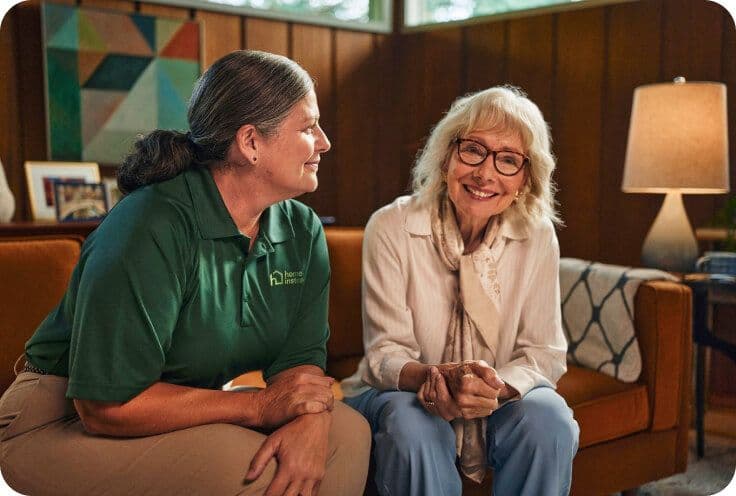
At home, we can provide one-on-one support with daily routines, help with personal care, and assistance moving around the house. Having someone there consistently can help post-hospital recovery feel less overwhelming.
Transitional Care services include:

Yes. The team can discuss the discharge plan, what will be difficult at home, and the support needed for the first visits. Penn State Milton S. Hershey Medical Center's Home Recovery Program.
A Care Pro may help with settling in, meals, personal care, mobility, transportation, reminders, and companionship while the family learns what recovery looks like at home.
A former caregiver on the team helped a family work through a difficult hospital-to-home transition so a loved one could return home instead of moving to a facility. The plan can begin with the immediate priorities and then be adjusted as the client regains strength or needs more help than expected.
Within 24 hours when staffing and the care plan align. Home Instead provides non-medical support and works alongside the client’s licensed healthcare providers.
Families can review mobility, meals, bathing, medication management by the client’s licensed providers, transportation, equipment, and the first few days of routines.
Penn State Milton S. Hershey Medical Center's Home Recovery Program. The team can help clarify which non-medical tasks should be included in the home-care plan.
A short-term plan may become a longer schedule, step down as recovery progresses, or expand if the client needs more help than expected.
Around-the-clock support that has helped one client remain at home since 2016, with continuity as family circumstances changed. Families can review the plan with the office as the client’s strength, confidence, and routine change.
Coming home after a hospital stay or procedure can bring new questions and responsibilities. Explore practical guidance for preparing for discharge, managing recovery at home, and helping make the transition safer and smoother.