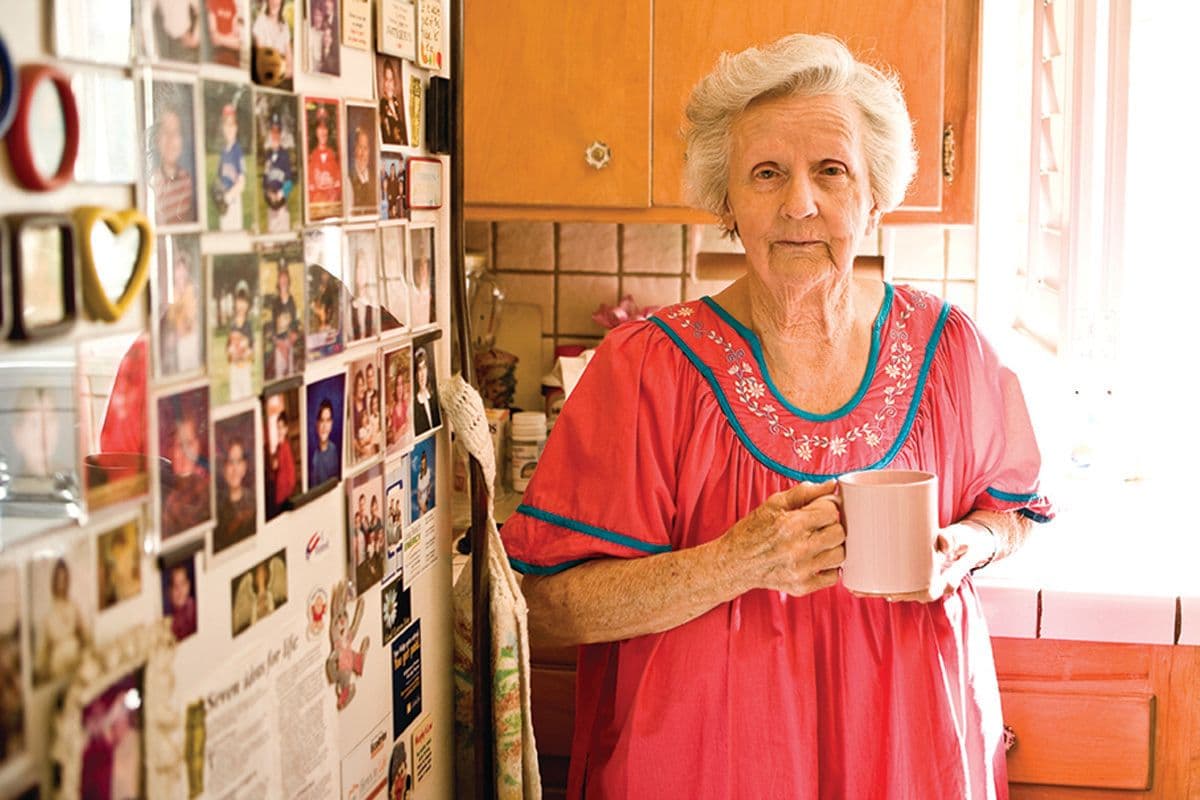
The home you've lived in for years may hold countless memories. But will it still work the way you want to live years from now?
There's no universal answer. Staying in your current home may be right for you. Moving to a smaller or more accessible home may make everyday life easier. The important question is which option best supports the life you want.
Many people want to stay in their current homes, but moving can also be part of planning ahead. According to AARP's 2024 Home & Community Preferences Survey, 75% of adults age 50 and older want to remain in their current homes as they age. At the same time, 45% said they would consider relocating to another community to find housing that better fits their changing needs.¹
Whether you're thinking about staying put or starting somewhere new, it can help to look beyond where you want to live today and consider what may continue working for you over time.
If you want to stay, look at your home with fresh eyes.
A home that works perfectly today may become more challenging if mobility, vision or other needs change.
AARP research found that 43% of adults age 50 and older believe they'll need to make changes to their current home to continue living there as they get older.¹
Take a walk through your home and ask:
- Are there stairs required to enter or move through the home?
- Is there a bedroom and full bathroom on the main floor?
- Are bathrooms easy to navigate?
- Are hallways and stairways well lit?
- Could rugs, clutter or electrical cords create tripping hazards?
- Is the home becoming difficult or expensive to maintain?
- Could the home accommodate additional help if you needed it?
You don't need to make every possible change now. Looking at your home room by room can help you identify what works well today and what you may want to address over time.
Home Instead's Home Safety Checklist offers a room-by-room way to assess bedrooms, bathrooms, kitchens, entrances, and other areas of the home.
Could moving make life easier?
Moving can be an emotional decision, particularly when you've spent many years in a home. But moving doesn't necessarily mean giving up independence. Sometimes choosing a home that's easier to navigate or maintain can be a way to support it.
AARP research found that 45% of adults age 50 and older would consider relocating to another community to find housing that better fits their changing needs.¹
If you're considering moving, look beyond what you need today. Think about whether a potential home offers:
- Single-level or accessible living
- Safe bathrooms and entrances
- Manageable maintenance
- Convenient transportation
- Access to shopping and health care
- Opportunities to stay socially connected
- Proximity to family or friends
- Space to comfortably receive help or care at home
The goal isn't simply to find a new house. It's to find a home and community that can continue to work for you.
Consider more than the house.
The house itself is only part of what makes life at home work.
Think about your community, too.
If driving became difficult, could you still get groceries, see friends and attend appointments? Are people you trust nearby? Are services available that could help you with everyday tasks?
Social connection belongs in the conversation as well. A house can be accessible but still not be the right fit if living there makes it harder to stay connected to the people and activities that matter to you.
Where you live and how you live are connected. Considering both can help you make a decision that reflects what independence means to you.
Staying home doesn't mean doing everything yourself.
One common misconception about independence is that it means managing everything without help.
It doesn't.
Sometimes support with meals, transportation, household tasks, personal care, or companionship can make everyday life at home more manageable. Understanding what help is available can be part of deciding whether a home will continue to work for you.
If you'd like to explore your options, Home Instead offers personalized home care designed around individual needs, routines, and preferences.
So, should you stay or should you go?
Instead of asking only:
"Can I stay here?"
consider asking:
"What will I need to live the way I want in the years ahead?"
For some people, that may mean making changes to their current home. For others, it may mean finding a new home that better supports their needs and lifestyle. And those needs may change over time.
Thinking about your options now can give you more time to decide what feels right for you—and what can support the independence, relationships, and routines that matter most.
Keep planning for life at home.
Once you have a better idea of where you'd like to live, the next step is thinking about what it will take to make that choice possible.
Next: Want to Age at Home? Start With a Plan
Previous: Aging in Place: What Does It Really Mean?
Sources
¹AARP Research. 2024 Home & Community Preferences Among Adults 18 and Older. National survey of 3,090 U.S. adults age 18 and older, including findings for adults age 50 and older; fielded June–July 2024.
Home Your Own Way
Did you find this article helpful? Access more Home Your Own Way articles and tools. Read More Home Your Own Way Materials
Compassionate Home Care
Whether you need companionship or help getting around town, Home Instead delivers the compassionate in-home care services your family deserves. Find Home Care