- Care Planning
Here’s how transitional care can help:

Our transitional care services support both physical and emotional well-being, bringing structure and connection to the recovery process wherever it takes place.
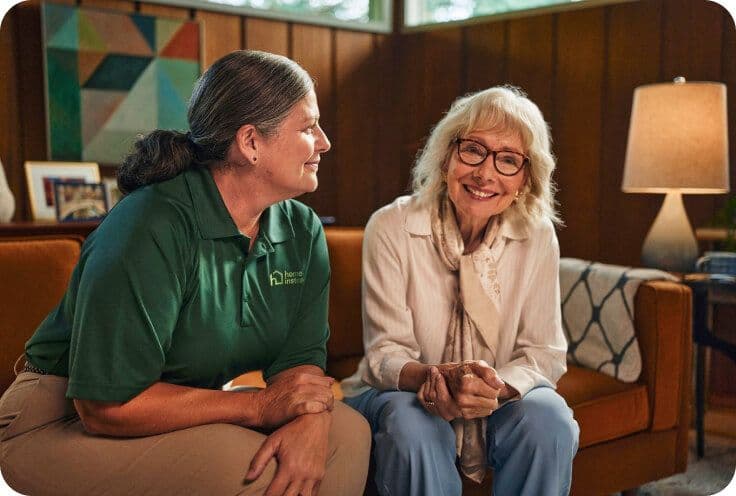
At home, we can provide one-on-one support with daily routines, help with personal care, and assistance moving around the house. Having someone there consistently can help post-hospital recovery feel less overwhelming.
Transitional Care services include:

Yes. The team can discuss the discharge plan, what will be difficult at home, and the support needed for the first visits. Local hospitals, hospice teams, veteran resources, and family caregivers.
A Care Pro may help with settling in, meals, personal care, mobility, transportation, reminders, and companionship while the family learns what recovery looks like at home.
A client living with dementia found comfort in familiar songs and rhymes, which helped make everyday routines more welcoming. The plan can begin with the immediate priorities and then be adjusted as the client regains strength or needs more help than expected.
Based on care needs and Care Pro availability when staffing and the care plan align. Home Instead provides non-medical support and works alongside the client’s licensed healthcare providers.
Memory support should reflect the person's history, preferences, and daily rhythm. In Erie, Families know the Erie team for dementia support and more complex needs, backed by more than 150 years of combined senior-care experience in its leadership group. Local hospital, hospice, veteran, and family-care relationships help shape practical plans.
Care Pros can use familiar faces, consistent routines, reassurance, redirection, meaningful activities, and safety support. Families can talk with the team about what helps the person feel calm and connected.
Coming home after a hospital stay or procedure can bring new questions and responsibilities. Explore practical guidance for preparing for discharge, managing recovery at home, and helping make the transition safer and smoother.