Personal hygiene is something most people take for granted. Brushing teeth, bathing regularly, and wearing clean clothes are automatic daily habits. However, as individuals age, it is challenging to maintain these routines with ease.
As a result, the consequences of poor hygiene in elderly adults go far beyond appearance. They can affect physical health, emotional well-being, and even overall safety.
Changes in mobility, cognitive decline, chronic illness, or simple fatigue can make tasks like showering or grooming overwhelming. In some cases, families begin to notice subtle signs of poor hygiene, like unwashed hair, body odor, or unchanged clothing, without fully understanding the underlying cause.
Some people believe that it is neglect, but sometimes it is fear of falling in the shower, memory loss, depression, or discomfort that leads to avoidance.
Left unaddressed, these hygiene challenges can increase the risk of infection, skin breakdown, and other health complications. They can also lead to social withdrawal and a decline in self-confidence.
At the end of the day, it is up to families to understand why hygiene becomes difficult and how to provide compassionate personal care.
What Are the Consequences of Poor Hygiene in the Elderly?
Hygiene challenges in later life develop gradually, which makes them easy to overlook until more serious problems appear. Understanding the consequences of poor hygiene in the elderly requires looking beyond surface-level concerns and recognizing how ongoing elderly hygiene issues can impact both health and quality of life.
When daily routines become inconsistent or neglected, the effects can extend into multiple areas of well-being. Here are some of the most common physical, emotional, and medical consequences families should be aware of.
1. Skin Infections and Breakdown of the Skin Barrier
One of the most immediate health risks connected to elderly hygiene issues is skin irritation and infection. As the body ages, the skin becomes thinner, drier, and more fragile. This natural change means it does not recover as quickly from friction, moisture, or bacterial buildup.
When regular bathing or cleansing routines are missed, sweat, dirt, and bacteria accumulate on the surface of the skin. As time passes, this can lead to rashes, fungal infections, and painful inflammation.
For seniors with limited mobility, the risk becomes even greater. Remaining in one position for long periods can cause pressure to build up in certain areas of the body, particularly the hips, heels, and lower back.
Without proper hygiene and repositioning, this can result in pressure ulcers, also known as bedsores. These wounds can become serious if not treated promptly.
According to research, more than 2.5 million people in the United States develop pressure ulcers each year, with older adults being among the most vulnerable groups.
Good hygiene is not simply about comfort or appearance. It plays a direct role in protecting the skin, preventing infection, and maintaining overall health. Consistent support and gentle care can significantly reduce these risks and promote healing when needed.
2. Dental Problems and Oral Health Decline
Oral health is mostly overlooked when discussing senior care, yet it plays a vital role in overall well-being. One of the more subtle signs of poor hygiene in older adults can begin in the mouth. Without consistent brushing, flossing, or proper denture care, bacteria quickly accumulate. Eventually, this buildup can lead to tooth decay, gum disease, persistent bad breath, and even painful infections.
For seniors who wear dentures, the risk increases if they are not cleaned thoroughly or soaked overnight. Improperly maintained dentures can cause irritation, sores, and fungal infections in the mouth. These conditions are not only uncomfortable but may also make eating difficult, which can affect nutrition and overall health.
Study shows that nearly 1 in 5 adults aged 65 and older have untreated tooth decay, and almost 70% show signs of gum disease.
Regular oral hygiene routines, along with routine dental visits, are essential for prevention. Clean dentures, daily brushing with appropriate products, and professional checkups help catch problems early. Maintaining oral health supports comfort, nutrition, confidence, and long-term physical health.
3. Mental and Emotional Health Concerns
Hygiene also has a strong connection to emotional well-being. When bad personal hygiene becomes part of a senior’s daily life, it can impact how they feel about themselves and how they interact with others. Something as simple as unwashed hair, unchanged clothing, or body odor can lower self-confidence and increase feelings of embarrassment.
The effects of poor personal hygiene can also alienate seniors. They may begin avoiding social gatherings or visits from family and friends because they feel uncomfortable or ashamed. This withdrawal can increase isolation, which tends to contribute to anxiety or depression.
In addition to that, individuals living with dementia or other cognitive conditions may also experience hygiene struggles, which may lead to agitation or behavioral changes. Frustration over needing assistance or confusion about routines can heighten emotional distress.
It is important to recognize that poor hygiene in older adults is not always a matter of unwillingness. It may reflect physical limitations, fear of falling, memory challenges, or emotional fatigue.
When these concerns are addressed with patience and understanding, the results can be transformative. Restoring consistent hygiene routines restores a sense of dignity and stability. Supporting mental and emotional health begins with compassionate attention to these seemingly small but deeply meaningful daily habits.
4. Increased Risk of Respiratory Infections
Respiratory illnesses may seem minor at first, but for older adults, they can escalate at a quick pace. One of the overlooked diseases caused by lack of cleanliness involves infections that spread through simple contact.
When hands are not washed regularly, germs from surfaces can easily transfer to the mouth, nose, or eyes. Seniors who frequently touch their faces or share common living spaces create a pathway for viruses and bacteria to enter the body.
In younger, healthy individuals, a cough or cold may resolve within days. However, aging brings a naturally weakened immune response. Chronic conditions such as diabetes, heart disease, or respiratory issues can further reduce the body’s ability to fight infection. What begins as mild congestion can develop into bronchitis or pneumonia if not addressed promptly.
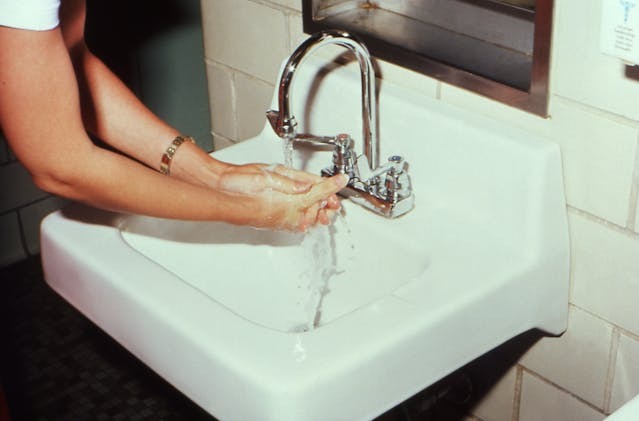
Hand hygiene, surface cleaning, and proper personal care routines act as protective barriers. Encouraging regular handwashing, keeping frequently touched areas sanitized, and supporting daily hygiene habits significantly reduces the spread of infection.
In the case of older adults, prevention is far easier than recovery. Maintaining consistent hygiene practices protects not only physical health but also independence and overall quality of life. Clean hands and a clean environment are small habits that carry long-lasting benefits.
Protecting Health and Dignity Through Proper Hygiene
The consequences of poor hygiene in elderly adults go far beyond surface-level concerns. From skin infections and dental problems to respiratory illness and emotional distress, small gaps in daily care can gradually turn into serious health challenges. What may begin as occasional missed routines can affect comfort, confidence, and overall well-being.
The good news is that these risks are preventable with the right support. At Home Instead, we understand that maintaining hygiene is deeply connected to dignity and independence. Our trained Caregivers offer compassionate personal hygiene care for the elderly, from bathing and grooming to oral care and daily assistance, always delivered with patience and respect.
Through personalized in-home care plans, we help families ensure their loved ones remain safe, clean, and comfortable in the place they call home.
If you are concerned about hygiene changes in a loved one, contact your local In-Home Care Services in Henderson to learn how we can support your family with trusted, relationship-centered care.