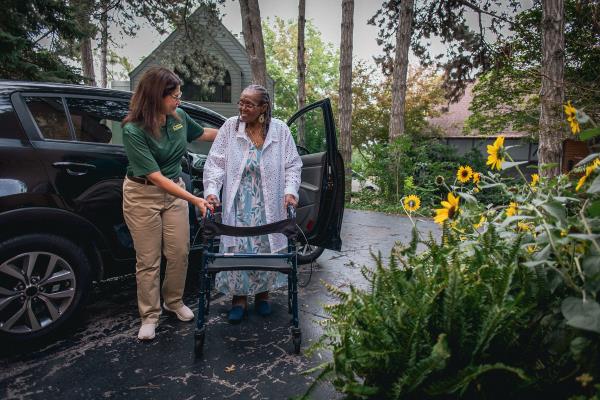
Choosing the right home care service in Cape Cod often begins with understanding what in-home support truly involves. Families across Barnstable and surrounding Cape Cod communities want clear information about how care works, what conditions can be supported, and how services adjust as needs change.
We believe informed decisions lead to greater peace of mind. Whether your loved one is experiencing memory changes, living with Parkinson’s, or recovering from a hospital stay, understanding available options helps you plan thoughtfully and confidently.
What a Home Care Service in Cape Cod Provides
A dependable home care service in Cape Cod focuses on daily assistance that supports independence while addressing safety concerns. Care at home allows seniors to remain in familiar surroundings with structured support tailored to their situation.
Services often include:
- Help with bathing and personal hygiene
- Meal preparation and light housekeeping
- Medication reminders
- Transportation to appointments
- Companionship and social engagement
When selecting a provider, families should ask how care plans are created and how often they are reviewed. A well-organized approach ensures routines remain consistent while adjustments are made gradually as health needs evolve.
How Memory Care in Cape Cod Supports Stability
Cognitive changes can affect daily routines and emotional comfort. Through dedicated memory care in Cape Cod, caregivers provide structured support designed to promote familiarity and reduce confusion.
Memory care in Cape Cod may include:
- Establishing predictable daily schedules
- Gentle reminders for tasks and meals
- Monitoring for safety concerns
- Encouraging calm and familiar activities
Remaining at home can be reassuring for individuals experiencing memory loss. Familiar surroundings often help maintain orientation and comfort. We work closely with families to ensure that communication remains open and adjustments are made as needed.
Parkinson Support Through Senior Assistance Programs
Parkinson’s disease can introduce mobility challenges and coordination changes. Within comprehensive senior assistance programs, care is structured to address these evolving needs respectfully.
We may provide:
- Assistance with walking and safe transfers
- Help with dressing and grooming
- Observation of balance or strength changes
- Encouragement of structured daily routines
By offering steady guidance, senior assistance programs help families feel more secure about daily safety. Clear communication remains central so that any new concerns can be addressed promptly and thoughtfully.
Exploring Elderly Live-In Care Options
Some families consider elderly live-in care when consistent supervision becomes necessary. This option allows a caregiver to remain in the home, offering support throughout the day and overnight presence.
Elderly live-in care may be appropriate when:
- Mobility limitations increase fall risk
- Memory challenges require monitoring
- Nighttime assistance becomes important
- Family members cannot provide continuous coverage
This arrangement supports routine and familiarity. Families should ask how caregivers rotate schedules and how communication is maintained between shifts. Transparency about structure helps ensure expectations are clear.
Transitional Support During Recovery Periods
After a hospital stay, many seniors require temporary assistance as they regain strength. A home care service in Cape Cod can provide transitional support that bridges the gap between discharge and full independence.
Transitional care may include:
- Medication reminders based on discharge instructions
- Assistance with mobility while strength returns
- Monitoring changes that families may wish to discuss with healthcare providers
- Reinforcing daily routines during recovery
Short-term support often helps reduce stress for families during periods of adjustment. Clear coordination ensures that services align with physician guidance and household routines.
Selecting Care With Confidence and Clarity
When reviewing options such as memory care in Cape Cod or elderly live-in care, families benefit from asking thoughtful questions. Understanding scheduling flexibility, communication practices, and care plan reviews can help reduce uncertainty.
We encourage families to consider:
- How caregivers are matched to seniors
- What training and supervision processes are in place
- How care plans adapt to changing health conditions
- Who serves as the primary contact for updates
By focusing on these practical details, families can make informed decisions that reflect both safety and personal comfort.
Start a Meaningful Care Discussion Today
Home Instead Barnstable is dedicated to guiding families through important care decisions with clarity and steady communication. We recognize that arranging support at home is a significant step for families in Barnstable and throughout Cape Cod, and we approach each conversation with respect and attention.
If you are exploring options for a loved one, we encourage you to connect with our local team. An open discussion can help you better understand available services and decide what level of support feels most appropriate. Reach out today to begin planning with confidence and reassurance.