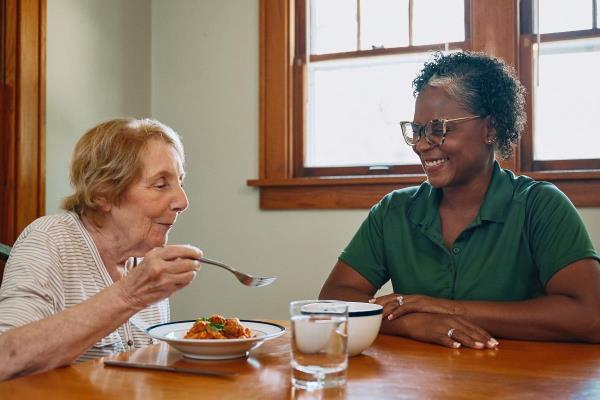
Hearing that a loved one is ready to leave a rehabilitation facility can bring a huge sense of relief. Whether they are recovering from a fall, surgery, stroke, illness, or hospital stay, returning home is an important milestone.
But discharge day can also bring a new set of worries.
Families throughout Mishawaka, South Bend, Granger, New Carlisle, Osceola, and nearby St. Joseph County communities may suddenly find themselves asking:
- Is the home ready?
- Can Mom safely walk to the bathroom?
- Who will help Dad while the family is at work?
- How will we get to follow-up appointments?
- What happens if recovery takes longer than expected?
- What can we do to prevent another fall or hospitalization?
These concerns are common—and worth addressing before your loved one arrives home.
The transition from rehabilitation to home is an important stage of recovery. Preparing early can help reduce stress, support your loved one’s progress, and lower the risk of preventable complications.
Recovery Doesn’t End When Rehab Ends
A discharge from rehabilitation does not necessarily mean your loved one has fully recovered.
In many cases, it means they have improved enough to continue recovering at home. They may still have limited strength, balance problems, fatigue, pain, or restrictions that make everyday activities difficult.
Your loved one may need help with:
- Walking and moving safely
- Getting in and out of bed or a chair
- Bathing, dressing, and grooming
- Preparing meals
- Remembering medications
- Completing therapy exercises
- Transportation to follow-up appointments
- Laundry and light housekeeping
- Following discharge instructions
Families are sometimes surprised by how much assistance is still needed once rehabilitation ends.
Ask Questions Before Discharge Day
Before your loved one leaves the rehabilitation facility, ask the care team to review the discharge plan with you.
Important questions may include:
- What activities should be avoided?
- Are there lifting, driving, or weight-bearing restrictions?
- What level of supervision is recommended?
- What medications have been added, stopped, or changed?
- What warning signs should prompt a call to the doctor?
- What follow-up appointments are needed?
- Will home health nursing or therapy be ordered?
- What medical equipment should be in the home?
- What should the family expect during the first several days?
Ask for written instructions and updated medication lists whenever possible.
It may also help to identify one family member who will serve as the primary point of contact. This can reduce confusion when several relatives are involved in coordinating care.
Prepare the Home Before Your Loved One Arrives
Falls are one of the biggest risks after a rehabilitation stay.
Your loved one may be weaker than before, adjusting to new mobility equipment, or taking medications that cause dizziness or fatigue.
Before discharge day:
- Remove throw rugs and loose cords.
- Clear walkways and hallways.
- Improve lighting near stairs, bathrooms, and entrances.
- Add nightlights between the bedroom and bathroom.
- Place frequently used items within easy reach.
- Install grab bars if recommended.
- Make sure chairs are sturdy and easy to get out of.
- Move a sleeping area to the main floor if stairs are unsafe.
- Confirm that a walker or wheelchair fits through important doorways.
- Check that outdoor steps, railings, and walkways are secure.
A therapist or discharge planner may be able to recommend additional equipment based on your loved one’s needs.
Create a Medication Plan
Medication changes are common during hospitalization and rehabilitation.
When your loved one returns home, there may be new prescriptions, discontinued medications, or different dosages. Confusion can lead to missed doses, duplicate medications, or other serious problems.
Before leaving rehab:
- Request a complete medication list.
- Confirm which older medications should be stopped.
- Ask what each medication is for.
- Review dosage and timing instructions.
- Make sure prescriptions are ready to be filled.
- Remove outdated medications from the home.
- Create a written medication schedule.
- Consider using a pill organizer or reminder system.
Everyone helping with care should follow the same updated list.
Home care can provide medication reminders, but Care Pros do not prescribe medications or make medical decisions.
Understand the Difference Between Home Health and Home Care
Families are often told that home health will visit after discharge and understandably assume that someone will be present throughout the day.
Home health generally provides short, intermittent medical visits ordered by a healthcare provider. These services may include:
- Skilled nursing
- Physical therapy
- Occupational therapy
- Speech therapy
- Wound care
- Medical assessments
A home health professional may visit for a limited amount of time and then leave.
Home care provides non-medical assistance during the hours when medical professionals are not present. Support may include:
- Bathing and dressing
- Mobility assistance
- Meal preparation
- Light housekeeping
- Medication reminders
- Transportation
- Companionship
- Safety supervision
- Respite for family caregivers
Many people benefit from receiving home health and home care at the same time.
Plan Meals and Hydration
Recovery requires energy, but grocery shopping and cooking may be difficult after rehab.
Your loved one may have limited strength, mobility restrictions, swallowing concerns, a reduced appetite, or new dietary instructions.
Before discharge:
- Stock easy-to-prepare meals and snacks.
- Place food where it can be reached safely.
- Prepare freezer meals.
- Confirm whether there are dietary restrictions.
- Make water and other approved beverages easily accessible.
- Arrange grocery delivery or family shopping.
- Decide who will monitor whether meals are being eaten.
Meal preparation assistance can help support recovery while reducing the pressure on family members.
Arrange Transportation Ahead of Time
Follow-up appointments often happen quickly after rehabilitation.
Your loved one may need to see a primary care provider, surgeon, specialist, or therapist. They may also need lab work, imaging, or additional therapy.
Consider:
- Who will provide transportation?
- Can your loved one get safely into and out of the vehicle?
- Is there space for a walker or wheelchair?
- Does someone need to accompany them into the appointment?
- How much travel time is needed?
- Is backup transportation available?
Families throughout St. Joseph County may need to coordinate appointments across Mishawaka, South Bend, Granger, Elkhart, or nearby Southwest Michigan communities, so transportation planning matters.
Decide Who Will Be Present During the First Few Days
The first several days at home can reveal challenges that were not obvious in the rehabilitation setting.
Your loved one may be more tired than expected. They may have trouble getting to the bathroom, preparing food, following medication instructions, or completing recommended exercises.
Families should decide:
- Who will be present on discharge day?
- Will someone stay overnight?
- Who will help the next morning?
- What happens while family members are at work?
- Who will respond if plans change?
- Is additional paid support needed?
Avoid assuming that one person will manage everything. Write down responsibilities and divide them as clearly as possible.
Watch for Changes That Need Medical Attention
Ask the rehabilitation team which symptoms should be reported immediately.
Depending on your loved one’s condition, warning signs may include:
- Increased confusion
- Fever
- Shortness of breath
- Chest pain
- Sudden weakness
- New swelling
- Uncontrolled pain
- Changes around an incision or wound
- Repeated falls
- Refusing food, fluids, or medications
Home care does not replace medical care, but a consistent Care Pro may notice changes in routine, appetite, mobility, or behavior that should be shared with the family.
Always contact the appropriate healthcare provider when medical concerns arise.
Prepare for Recovery to Take Longer Than Expected
Many families believe they will only need to help for a few days or weeks.
Recovery timelines can be difficult to predict. Progress may happen gradually, and older adults may continue to need support after therapy services end.
A family member who planned to “stop by after work” may soon be managing:
- Meals
- Laundry
- Transportation
- Personal care
- Medication reminders
- Household tasks
- Medical appointments
- Daily safety checks
It is helpful to create both a short-term plan and a longer-term backup plan.
Ask yourself:
- What happens if recovery takes twice as long as expected?
- Who can provide care when the primary caregiver is unavailable?
- Can family members maintain this schedule for several weeks?
- What tasks are becoming unsafe or overwhelming?
- What support could help prevent another crisis?
Recognize Caregiver Burnout Early
Family caregivers often focus so heavily on their loved one that they overlook their own health.
Signs of caregiver burnout may include:
- Constant exhaustion
- Difficulty sleeping
- Increased anxiety or irritability
- Missing work
- Canceling personal appointments
- Feeling resentful or guilty
- Withdrawing from friends
- Feeling like no one else understands
- Worrying constantly when away from the loved one
Needing help does not mean you are failing your loved one.
Respite care can give family caregivers time to work, rest, attend appointments, or spend time with other family members while their loved one receives dependable support.
Don’t Wait for Another Emergency
Some families wait until another fall, missed medication, or emergency-room visit before considering home care.
But support can often be most effective when it begins before the family reaches a breaking point.
A personalized care plan might include:
- Morning help with bathing and dressing
- Meal preparation several times a week
- Transportation to appointments
- Support after therapy visits
- Companionship while family members are working
- Overnight supervision
- Mobility and transfer assistance
- Respite for a spouse or adult child
The goal is not to take away independence. It is to provide the right level of support so your loved one can continue recovering safely.
How Home Instead Can Help After Rehab
Every recovery is different.
Some older adults need short-term help while regaining strength. Others discover that an illness, fall, or hospitalization has created a need for ongoing assistance.
Home Instead provides personalized, non-medical care that may include:
- Companion care
- Personal care
- Bathing and dressing assistance
- Mobility and transfer support
- Meal preparation
- Medication reminders
- Light housekeeping and laundry
- Transportation to appointments
- Alzheimer’s and dementia support
- Respite care
- Overnight or extended-hour care
Care plans can be adjusted as recovery progresses and needs change.
Supporting Families Throughout St. Joseph County
Home Instead helps families throughout St. Joseph County, Indiana, and nearby Southwest Michigan communities navigate the transition from rehabilitation to home.
Whether your loved one lives in Mishawaka, South Bend, Granger, New Carlisle, Osceola, Niles, or another nearby community, having a reliable plan can make the transition home safer and less stressful.
Our local team understands that every family’s situation is different. Some need short-term help after discharge, while others need ongoing support as care needs change.
Schedule a Complimentary Care Consultation
If someone you love is preparing to return home from a rehabilitation facility, you do not have to manage every part of the transition alone.
Our local Home Instead team can answer questions, discuss your loved one’s daily needs, and help create a personalized care plan that supports recovery, safety, and independence at home.
Contact Home Instead today to schedule a complimentary care consultation and learn how additional support could make the transition from rehab to home easier for your entire family.