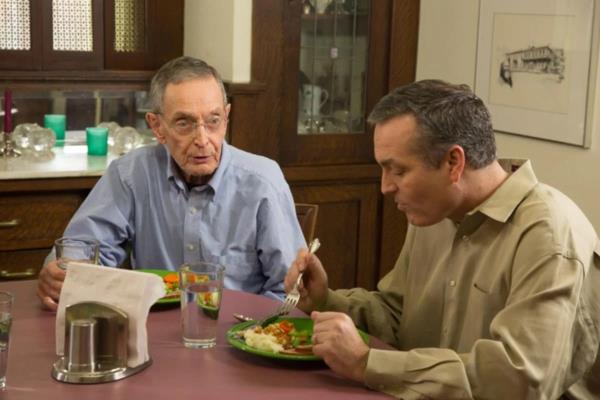
When I talk with someone considering caregiver work, I want them to understand one thing early: good care isn't about walking into someone's home and deciding the best way to run it.
You're entering their home.
The coffee mug they reach for every morning, where they keep the towels, how much conversation they enjoy at breakfast, and whether they prefer the blinds open or closed may seem like small details. To the person receiving care, they're part of daily life.
A strong Care Pro learns those preferences through observation, thoughtful questions, the Care Plan, and consistency. Over time, those habits help care feel less intrusive and more like dependable support.
A Good Caregiver Starts by Observing
Observation is one of the most useful caregiver skills you can bring into a home.
That doesn't mean watching someone critically. It means paying attention.
You might notice that an older adult:
- Likes breakfast before getting dressed
- Uses the same chair for morning coffee
- Prefers the television off during conversation
- Wants to choose their own clothing
- Keeps commonly used kitchen items in specific places
- Likes a few minutes of quiet after waking up
- Prefers being asked before something is moved or organized
The goal isn't to memorize a household on your first visit. It's to notice what matters and learn gradually.
There is also an important difference between observing and assuming.
|
What you notice |
Better response |
|
The client always chooses the blue mug |
“Would you like your usual mug today?” |
|
The client becomes quiet while the television is on |
“Would you like me to turn that down?” |
|
Breakfast is prepared a certain way each visit |
Ask how they prefer it rather than changing the routine |
|
The client completes part of a task independently |
Give them the opportunity to continue doing what they can |
|
Something seems different from the usual routine |
Ask a respectful question and follow appropriate communication procedures |
Good observation creates better questions. It shouldn't create conclusions for you.
Ask Specific Questions Instead of Guessing
You won't learn every preference by watching.
Sometimes the easiest way to understand what someone wants is simply to ask.
Questions can be straightforward:
- “How do you usually like this done?”
- “Would you like some help, or would you rather do this part yourself?”
- “Where would you like me to put this?”
- “Would you prefer to eat now or a little later?”
- “Do you like conversation in the morning, or do you prefer a quieter start?”
- “Is there a particular way you like the bed made?”
- “Would you like me to remind you, or would you rather tell me when you're ready?”
The wording matters.
“Where would you like this?” respects ownership.
“I'll put this over here” makes the decision for someone.
When I'm talking with applicants about caregiving work, this is the kind of distinction I want them to understand. Supporting someone doesn't mean taking control of every decision.
It means being available where help is wanted.
Household Routines, Communication Styles, and Personal Choices All Matter
A Care Pro may help with practical tasks, but learning someone's preferences goes beyond a task list.
Every home has its own rhythm.
|
Preference area |
What a Care Pro may learn |
|
Household routines |
Meal times, morning routines, laundry preferences, favorite activities, where items belong |
|
Communication style |
Whether someone likes conversation, quiet time, direct questions, reminders, or extra time to respond |
|
Personal choices |
Clothing, meals, hobbies, television, music, outings, and how the person spends their day |
|
Level of assistance |
Which activities the older adult prefers to handle independently and where they welcome help |
|
Home environment |
Lighting, room temperature, seating, organization, doors, blinds, and familiar surroundings |
|
Social preferences |
Whether the person enjoys visitors, phone calls, neighborhood outings, or quieter companionship |
These details can help a Care Pro support a familiar routine instead of unnecessarily replacing it with a new one.
That's particularly important in senior care because receiving assistance shouldn't automatically mean giving up choices.
Learning Preferences Is Part of Respectful Care
One of the clearest signs that a Care Pro understands a household is consistency.
Brenda D. described Care Pro Zin Oo as “Always on time.” She also shared that he went beyond his duties and became like family.
I like that example because it shows that a strong caregiving relationship isn't built from one dramatic moment. It's often built from repeated, dependable actions.
Arriving when expected matters.
Remembering how someone likes things done matters.
Following through matters.
Listening when a person changes their mind matters.
Going into someone's home consistently also gives a Care Pro the opportunity to learn the little things that can't always fit into a written checklist. Those details can help support comfort, familiarity, and trust.
A Caregiver Should Use the Care Plan as the Starting Point
Observation and conversation don't replace written guidance.
A Care Pro should begin with the Care Plan and the instructions provided by the care team. The plan establishes agreed-upon support and helps everyone involved understand their responsibilities.
Then there are everyday preferences you may learn while providing that support.
For example, a Care Plan may say that meal preparation is part of the visit. The client can still tell you whether they prefer toast lightly browned, which plate they like, or whether they'd rather eat at the kitchen table.
A Care Plan may include companionship. The older adult can still decide whether that means talking, taking a walk, listening to music, working on a puzzle, or simply having another person nearby.
If a request appears inconsistent with the Care Plan or you're unsure whether something falls within your responsibilities, don't guess. Ask the appropriate member of the care team.
Applicants who want to understand how Home Instead supports new Care Pros can also read about training and support for Care Pros in Dunwoody and Atlanta.
Consistency Turns Small Details Into Dependable Care
Learning preferences isn't something you complete on day one.
It happens over time.
I think of it as a simple four-part process:
|
Step |
What it looks like |
|
1. Observe |
Notice established routines, choices, and the way the person prefers to do things |
|
2. Ask |
Clarify instead of assuming |
|
3. Remember |
Follow the preference consistently during future visits |
|
4. Communicate |
Share relevant changes or questions through the appropriate care-team process |
The fourth step matters because preferences can change.
Maybe someone who usually enjoys an afternoon walk would rather stay home that day. Maybe they want breakfast later. Maybe a household routine has changed.
Care shouldn't become so rigid that yesterday's preference is treated like a permanent rule.
Consistency means remembering what matters while still listening today.
What Should a Caregiver Do When a Preference Changes?
People are allowed to change their minds.
When that happens, start by clarifying what the person wants.
If it's an everyday preference that fits within the Care Plan, respecting the new choice may be simple. If the change affects the agreed-upon support, raises a concern, or leaves you unsure what to do, communicate with the appropriate member of the care team.
A useful approach is:
- Listen to the request.
- Clarify what the person means.
- Check the Care Plan when necessary.
- Communicate relevant changes through the proper channel.
- Follow the updated direction you're given.
Care Pros don't need to have every answer immediately.
They do need to know when to ask.
These Caregiver Skills Matter in Atlanta Home Care Jobs
People sometimes assume caregiving is mainly about knowing how to complete tasks.
Tasks matter. The way you work with another person matters just as much.
For applicants exploring caregiver jobs in Atlanta, I would pay particular attention to these qualities:
- Active listening
- Patience
- Observation
- Reliability
- Respect for personal choices
- Clear communication
- Willingness to learn
- Consistency
- Comfort asking questions
- Ability to follow written guidance
You can also learn more about the Care Pro experience and what relationship-focused home care work can look like.
If you're considering opportunities specifically around Dunwoody, you can review Care Pro opportunities in Dunwoody as well.
The Care Pros who stand out aren't necessarily the people who walk in believing they already know everything.
They're often the people willing to notice, listen, ask, and learn.
Frequently Asked Questions
How does a new caregiver learn a client's preferences?
A new caregiver can begin with the Care Plan, then learn more through observation and respectful questions. Preferences may include meal routines, conversation style, household organization, favorite activities, preferred levels of assistance, and other everyday choices.
Should a Care Pro assume a routine after seeing it once?
No. A single observation may not represent someone's regular preference. When you're unsure, ask. Clarifying a choice is more respectful than treating an assumption as a rule.
What if a client's request seems different from the Care Plan?
Ask the appropriate care team member for guidance rather than making the decision independently. The Care Plan provides the starting framework for support, and relevant changes should follow the proper communication process.
Why is active listening important in caregiver jobs?
Active listening helps a Care Pro understand what an older adult is actually requesting instead of responding based on assumptions. It also helps with clarification, relationship-building, communication, and respecting individual choices.
Do you need to know every household routine on the first visit?
No. Learning a person's preferences takes time. Start with the Care Plan, pay attention, ask thoughtful questions, and build your understanding from one visit to the next.
Where can I explore caregiver opportunities in Atlanta?
Applicants can review Atlanta Care Pro opportunities to learn more about working with Home Instead.
Bring Your Ability to Listen, Learn, and Show Up
If you're someone who notices details, respects the way other people like to live, and understands that reliability matters, caregiving may give you a meaningful place to use those strengths.
You don't have to walk into a client's home knowing every preference.
You do have to be willing to learn.
Explore Atlanta Care Pro opportunities.
About the Author
Kelee King has been part of Home Instead since 2018 and now serves as Chief Operating Officer. She works closely with teams supporting older adults, families, and Care Pros, and shares practical insight about caregiving, relationships, and dependable support in the communities Home Instead serves.