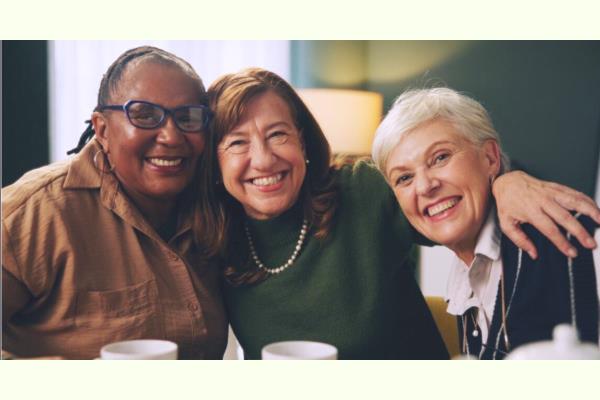
February is recognized as National Senior Independence Month, a time to celebrate the strength, resilience, and individuality of older adults. It’s also an opportunity to rethink what independence truly means as we age and how families can support it without taking it away.
For many seniors, independence isn’t about doing everything alone. It’s about maintaining choice, dignity, and control over daily life. And for families, it’s about finding the right balance between respect and support.
What Independence Really Means for Seniors
Independence looks different at every stage of aging. For some, it means staying at home. For others, it means having the freedom to decide when they wake up, what they eat, or how they spend their time.
True independence is not the absence of help. It’s the ability to live life on one’s own terms, with the right support in place to stay safe, confident, and comfortable.
As physical strength, mobility, or memory changes, many seniors quietly adapt. They do less. They rest more. Often, these adjustments go unnoticed until something goes wrong.
That’s where thoughtful, proactive support makes all the difference.
Aging in Place: Staying Home, Staying Independent
Most older adults want to age in place, remaining in the comfort of the home they know and love. Home holds memories, routines, and a sense of identity that can’t be replaced.
Aging in place supports independence by:
- Preserving familiarity and emotional comfort
- Reducing stress and confusion
- Allowing seniors to maintain their daily rhythms
- Supporting mental and emotional well-being
However, staying at home safely often requires small adjustments. Loose rugs, stairs, poor lighting, or cluttered walkways can quietly increase the risk of falls. Tasks that once felt simple, such as cooking, bathing, and managing medications, may now require more energy or concentration.
Aging in place works best when safety and support are built into everyday life, not only after a crisis.
The Power of Daily Routines
Daily routines are the backbone of independence. They provide structure, purpose, and confidence, especially for seniors experiencing changes in mobility or memory.
Consistent routines help with:
- Medication adherence
- Regular meals and hydration
- Better sleep patterns
- Reduced anxiety and confusion
- A sense of control over the day
When routines begin to slip—missed meals, forgotten medications, disrupted sleep—it’s often an early sign that a loved one could benefit from extra support.
Gentle assistance with daily routines doesn’t replace independence. It protects it.
Small Supports That Make a Big Difference
Independence is often preserved through small, practical supports that ease daily strain without taking over.
Examples include:
- Help with grocery shopping or meal preparation
- Medication reminders
- Light housekeeping
- Transportation to appointments or social activities
- Assistance with bathing or dressing
- Companionship and conversation
These supports reduce physical exhaustion and mental load, allowing seniors to focus on the parts of life that matter most to them, such as hobbies, relationships, faith, and rest.
For families, these also bring peace of mind, knowing their loved one isn’t struggling in silence.
Rethinking Help: Support Is Not a Loss of Independence
Many seniors hesitate to accept help because they fear it signals a loss of independence. They may worry about becoming a burden or losing control over their lives.
In reality, accepting support is often what allows independence to continue longer.
The goal of home care is not to take over, but to:
- Step in where tasks feel difficult
- Step back where independence is strong
- Adapt as needs change over time
When care is personalized, seniors are active participants in their lives, not passive recipients of help.
How Home Instead Supports Senior Independence
At Home Instead, care is never one-size-fits-all. Supporting independence often begins with just a few hours a week — help with meals, errands, personal care, or simply having a trusted companion at home. These small moments of support can make a meaningful difference in helping seniors stay safe, confident, and in control of their daily lives.
This gradual, personalized approach allows:
- Seniors to remain comfortable in their own homes and routines
- Families to better understand evolving needs without pressure or urgency
- Care to adapt naturally as circumstances change over time
Home Instead Care Professionals are trained to do more than assist with tasks. They take the time to build relationships, respect personal preferences, and encourage seniors to do as much as they safely can on their own. The goal is not to take over but to step in thoughtfully, so independence can continue longer.
Protecting Independence Is at the Heart of What We Do
At Home Instead, independence is not measured by how much someone can do alone, but by how supported they feel in living life on their own terms. The right support, introduced at the right time, can prevent small challenges from becoming overwhelming disruptions.
By noticing early changes, honoring established routines, and offering consistent, compassionate care, Home Instead helps families protect what matters most — dignity, safety, and peace of mind.
Independence doesn’t disappear with age. With the right care partner, it can be preserved, respected, and supported every step of the way.