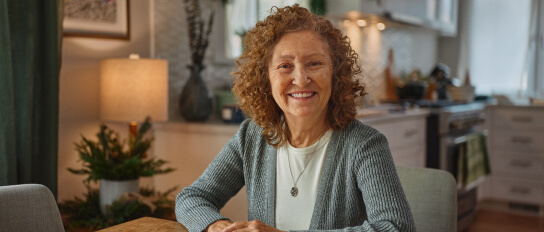
February is American Heart Month—a time when families across Covina, Azusa, Claremont, Glendora, La Verne, Pomona, San Dimas, Walnut, and West Covina come together to shine a spotlight on senior heart health and cardiovascular wellness. The need for heart disease prevention for seniors has never been greater: as we age, our risk for heart disease, stroke, high blood pressure, and heart failure rises sharply, making cardiovascular health in the elderly a key priority for every household.
Heart disease remains a leading health threat for older adults, especially those over 65, due to age-related changes in how the heart and blood vessels function. But there's hope—most heart disease is preventable through heart-healthy habits for seniors, early detection, and the right home support.
Schedule a family heart health check-in, track blood pressure at home, and reach out to local resources like California's 211 helpline for free senior wellness programs. Learn about aging and heart health, warning signs to watch for, and how personal care services can empower seniors to thrive independently.
How Aging and Heart Health Intersect: Understanding Risks for Older Adults
Why Heart Disease Risk Rises with Age

Aging naturally increases the risks to cardiovascular health in the elderly. The chance of developing heart-related conditions jumps from 40% at age 40 to 86% by age 79 and older, due to factors like:
- Reduced flexibility in blood vessels, making them stiffer and less able to adapt to changes in blood flow
- Plaque buildup in arteries
- Common conditions such as hypertension in seniors, heart failure, and the lingering effects of prior cardiac events
Despite these risks, up to 80% of heart disease is preventable with lifestyle changes, even later in life according to University of Michigan's MHealthy program.
Key Statistics: Cardiovascular Disease and Seniors
| Age Group | Risk of Cardiovascular Disease | Common Conditions |
|---|---|---|
| 40-60 | 40% | Hypertension, early plaque buildup |
| 61-79 | 70% | Heart failure, arrhythmias |
| 80+ | 86% | Stroke, advanced heart disease |
In warmer areas like Pomona and West Covina, heat can increase dehydration risks, which further strain an aging heart. Always encourage proper hydration, especially during heat advisories. Get yearly blood pressure and cholesterol checks at local community health centers and consider respite care services for education on caregiver support for heart disease.
Recognizing Warning Signs: When to Seek Immediate Help
Heart attacks and other cardiac events can look different in seniors. Quick recognition and response are crucial for survival and minimizing heart damage.
Common Warning Signs of Heart Trouble
| Symptom | Immediate Action Needed |
|---|---|
| Chest discomfort or pain | Call 911/emergency |
| Pain in arms, back, neck, jaw | Call 911/emergency |
| Shortness of breath | Call 911/emergency |
| Cold sweats, nausea | Call 911/emergency |
| Unusual fatigue | Monitor, call provider |
| Swelling in legs or ankles | Monitor, call provider |
Most adults over 60 have at least one risk factor for heart disease, making awareness and early action critical according to the CDC Heart Month Toolkit. If you live in Claremont or San Dimas, know your nearest emergency services and how to access cardiac rehabilitation for seniors through regional home care programs.
Persistent Fatigue
Unusual tiredness or weakness that doesn't improve with rest
Leg Swelling
Swelling in legs, ankles, or feet—a common sign of heart failure
Irregular Heartbeat
Heart palpitations or unusual rhythm changes
Building Heart-Healthy Habits for Seniors: Practical Lifestyle Adjustments at Home
Lifestyle changes are the cornerstone of heart disease prevention for seniors. Even small daily steps can make a profound difference.

Nutrition: Heart-Healthy Meals for the Elderly
- Eat more fruits, vegetables, and whole grains
- Choose lean proteins (chicken, fish, beans)
- Limit sodium, saturated fats, and processed foods
- Watch portion sizes to help manage weight and cholesterol
Exercise: Safe, Effective Movement
- Aim for 30 minutes of moderate activity most days (walking, gardening, chair yoga)
- Target 150 minutes per week if able, broken up into manageable chunks
Regular exercise dramatically reduces heart disease risk. Smoking causes 1 in 4 cardiovascular deaths according to the American Heart Association. Additional heart-healthy habits include taking medications as prescribed (medication management for heart disease is vital), quitting smoking, limiting alcohol, and prioritizing 7-9 hours of quality sleep.
Local Adaptations
- In Glendora and Walnut, join senior center walking groups to stay active and social
- Azusa families: Use indoor walking routines if outdoor terrain is challenging
Sample Weekly Heart-Healthy Routine
| Day | Meal Focus | Activity | Medication Reminder |
|---|---|---|---|
| Monday | Grilled fish, steamed veggies | 10-min post-meal walk | Take BP meds |
| Wednesday | Oatmeal, berries | Chair yoga | Take cholesterol meds |
| Friday | Chicken, brown rice | Gardening | Take heart meds |
Creating a Heart-Healthy Home Environment: Daily Support for Senior Wellness
A supportive home environment is essential for senior heart health and ongoing cardiovascular wellness.
Home Safety and Comfort
- Keep walkways clear to prevent falls and enable light exercise
- Stock the kitchen with heart-healthy snacks and meals
- Set up a quiet, comfortable space for relaxation, meditation, or hobbies
Family Involvement
- Help with medication management for heart disease (pill boxes, alarms)
- Encourage gentle activity and regular hydration
- Offer companionship to combat isolation and loneliness

Chronic stress can raise blood pressure and make healthy choices harder according to the NHLBI's OurHearts Campaign. La Verne and Covina residents can access home care programs for fall prevention and cardiac rehabilitation for seniors—ask your local health authority how to qualify.
Install Blood Pressure Monitor
Set reminders for daily readings and track trends over time
Create Heart Health Corners
Include resistance bands, stretching guides, and healthy cookbooks
In-Home Care for Heart Patients: Empowering Families with Professional Support
Professional in-home care for heart patients can make the difference between struggling and thriving at home, especially for seniors managing hypertension, heart failure, or recovering from cardiac events.

How In-Home Care Helps
- Meal preparation focused on heart-healthy meals for the elderly
- Medication reminders and monitoring
- Mobility assistance and exercise encouragement
- Companionship to reduce stress and prevent isolation
At Home Instead, our dedicated caregivers in Covina and surrounding communities provide compassionate personal care assistance, companion care, caregiver break services, and even 24-hour home care when needed—all tailored to support senior wellness and heart health.
Home support improves adherence to heart-healthy routines and can help prevent hospital readmissions according to the NHLBI American Heart Month resources. Families in Pomona and beyond can blend family and professional support, using resources like California's 211 or regional senior centers to access programs and respite.
Commit to Heart Disease Prevention for Seniors This February and Beyond
American Heart Month is more than an awareness campaign—it's a chance for families in Covina, Azusa, Claremont, Glendora, La Verne, Pomona, San Dimas, Walnut, and West Covina to build heart-healthy habits for seniors that last a lifetime. Even small steps—like adding a daily walk, planning heart-healthy meals, or arranging professional in-home care for heart patients—can transform senior wellness and support independent aging.
Remember: Most heart disease is preventable with the right choices and support. Start today—use this month as a springboard for lasting change. Connect with local resources for more information, and explore how Home Instead's personalized home care for seniors with heart conditions can empower your loved one's health journey.
Ready to Support Your Loved One's Heart Health?