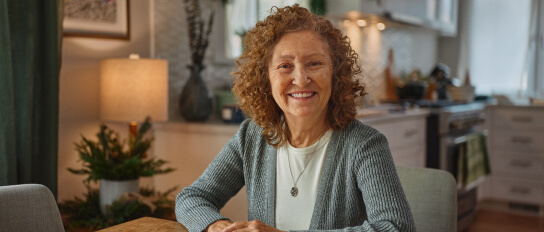
Valentine's Day is widely celebrated as a time of romance, friendship, and connection. But for many older adults in Kennewick, Benton City, Pasco, Richland, West Richland, College Place, Walla Walla, and Prosser, this holiday can bring feelings of senior loneliness and highlight the challenges of social isolation. Whether due to the loss of loved ones, living far from family, or facing mobility and health issues, the emotional impact of this season can be profound.
Addressing senior loneliness isn't just about brightening a single day—it's about nurturing emotional wellness in seniors year-round. Let's explore why Valentine's Day for seniors can be difficult, the real health risks of social isolation in older adults, and how families in our region can take meaningful action to foster connection, companionship, and joy.
The Heartache of Valentine's Day: When Love Feels Distant for Seniors
For older adults, Valentine's Day can amplify the sense of grief and highlight the absence of a spouse or longtime partner. In rural areas like Prosser and Benton City, limited transportation and greater distance from family can deepen these emotions. Even in cities like Kennewick and Richland, living alone is common among seniors, increasing the risk of loneliness—especially during holidays.
Research shows that over 43% of Washingtonians report feeling lonely at least sometimes, higher than the national average of 40.3% according to Axios. Nationally, 37% of adults aged 50-80 experienced loneliness and 34% felt socially isolated in 2023 per the JAMA Network.

- Watch for signs: Withdrawal, irritability, and loss of interest in activities are common during holidays
- Facilitate long-distance connection: Organize regular video calls or send letters and care packages
- Seek local support: The Northwest Regional Council AAA (serving Benton and Franklin counties) and Aging and Long Term Care of Eastern Washington (covering Walla Walla, College Place, Prosser) provide resources for grief and holiday support
Loneliness and Health Risks: A Silent Threat Worse Than Smoking
Senior loneliness is more than just an emotional issue—it's a serious health risk. Research shows that social isolation in older adults is linked with increased risk of heart disease, stroke, dementia, depression, and even premature death.
| Health Risk | Increased By Loneliness | Source |
|---|---|---|
| Dementia | 20-40% higher | Axios |
| Heart Disease | Significantly higher | JAMA Network |
| Stroke | Significantly higher | CDC |
| Depression | Significantly higher | 610 KONA |
| Premature Mortality | Comparable to smoking | Axios |
The health impact of social isolation has been compared to smoking 15 cigarettes a day, according to research cited by the CDC. While Washington senior wellbeing ranks 3rd in the nation, rural areas like Pasco and College Place still struggle with falls, poverty, and isolation.
Spotting Signs of Senior Isolation in Your Loved One

Recognizing senior isolation isn't always easy, especially if your loved one tries to mask their feelings. Holidays like Valentine's Day can intensify these symptoms.
Among older adults with fair/poor mental health, 75% report feeling lonely according to Michigan Medicine. Loneliness affects 1/3 to 1/2 of older adults in Washington's rural and urban communities.
Behavioral Changes
Disinterest in hobbies, withdrawing from family/friends, declining invitations
Physical Symptoms
Poor sleep or appetite, insomnia, skipping meals regularly
Cognitive Issues
Memory lapses, increased confusion or forgetfulness (especially with dementia)
Valentine Activities for Seniors: Creating Joy at Home or in Community
The best Valentine's Day for seniors focuses on connection, not just tradition. Meaningful activities for elderly loved ones can provide comfort, spark memories, and build new bonds. Social connection through such activities can reduce the risk of premature mortality and boost emotional wellness for seniors.
- In-Person Visits: Simple tea with valentines, gentle dances, hosting at Kennewick Senior Center
- Memory-Making: Flip through old photos, share love stories, sensory hearts with fabric/textures for dementia-friendly activities
- Group Fun: Card-making parties at Prosser/Walla Walla senior center events
- Tech Connection: Set up regular Zoom or Facetime "dates," send e-cards or mail handwritten notes
Many senior centers in our region offer free tech training. Contact Washington 211 for information about digital device programs, or reach out to AAA programs that provide tablets for virtual socializing.

Year-Round Solutions: In-Home Companionship Care and Local Support
Combating senior isolation is a year-round effort. Professional companionship services can make an immediate and lasting difference—especially for those living alone or managing chronic health conditions.

Home Instead's Services for Local Seniors:
- Companionship care: Daily visits, conversation, and shared activities
- Personal care services: Help with bathing, meals, and household chores
- Alzheimer's and dementia care: Customized, dementia-friendly Valentine's Day activities and memory support
- Respite care for family caregivers: Temporary relief so family members can recharge
- 24-hour home care: Around-the-clock support for those with greater needs
- Use DSHS ALTSA waivers like COPES or Medicaid Personal Care for subsidized care in the Tri-Cities
- PACE sites in Pasco and Richland offer comprehensive care, while Walla Walla SHIBA can assist with affordability questions
- Call the Northwest Regional Council AAA (Benton/Franklin) at 1-800-562-2308 or Aging and Long Term Care of Eastern Washington at 509-960-7281 for program details
A Call to Celebrate All Forms of Love This Valentine's
This Valentine's Day, let's recognize that love takes many forms: a visit, a phone call, a simple act of care. For seniors in Kennewick, Benton City, Pasco, Richland, West Richland, College Place, Walla Walla, and Prosser, these gestures are essential—not a luxury.
How You Can Help:
- Reach out to an older neighbor or loved one, especially if you haven't connected lately
- Schedule a virtual get-together if travel isn't possible
- Consider professional support—like companion care—to ensure your loved one feels seen and valued every day

Key Contacts for Support:
- Washington 211: Information and referrals for ride services, tech training, and more
- Northwest Regional Council AAA (Benton/Franklin): 1-800-562-2308
- Aging and Long Term Care of Eastern Washington (Walla Walla/College Place/Prosser): 509-960-7281
Together, we can make Valentine's Day—and every day—brighter for our cherished older adults.
Ready to Bring More Connection to Your Loved One's Life?