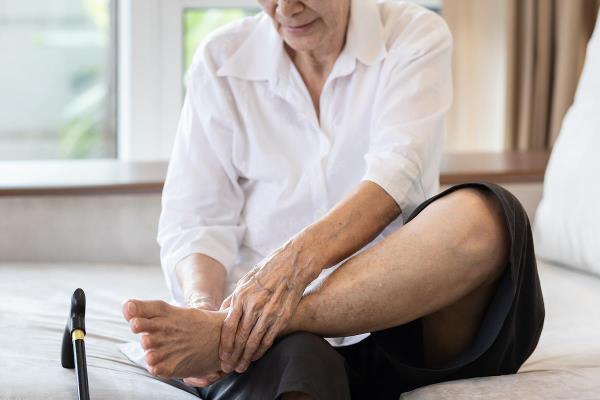
Falling at home is the biggest concern that many seniors and their families have. When a senior parent falls at home, they could end up with injuries that take months to heal. Even a simple fall can result in broken bones or serious injuries for fragile seniors.
But there are ways to minimize the risk of falls for your parent. One of the best ways to help your parent be safe at home is to get personal care at home for them. Seniors who have personal care at home have the support of a trained care provider to help them with high-risk tasks like showering or using the bathroom.
If your parent has personal care at home, that can significantly reduce the chance that they will fall at home while trying to do normal daily activities.
The Biggest Fall Risks For Seniors At Home
Sometimes seniors just fall. Anyone can take a wrong step or trip on something and end up falling. But seniors who have mobility challenges, poor balance, or other age-related physical ailments are more likely to fall than younger people.
Taking steps to fix some of the most common fall risks for seniors can help your parent avoid falls and keep their independence. The biggest fall risks around the home for seniors are:
Clutter and poor home layout
Many falls happen because of clutter around the home. Items left on the floor, such as shoes, books, cords, or small furniture, can be easy to trip over. Narrow walkways and crowded rooms also increase the risk.
Seniors who live alone may have trouble bending down or lifting items to keep floors clear. Over time, clutter can build up and create hidden hazards, especially in bedrooms and living areas.
Slippery floors and loose rugs
Smooth floors can become dangerous when they are wet or dusty. Bathrooms and kitchens are common trouble spots because water spills happen often. Loose rugs or bath mats that slide can also cause falls.
Seniors who live alone may not notice when a rug shifts or curls at the edge. Without someone else to spot these risks, small problems can turn into serious dangers.
Poor lighting throughout the home
As people age, their eyesight often gets weaker. Dim lighting makes it harder to see steps, obstacles, or changes in floor level. Burned-out bulbs, dark hallways, and poorly lit stairways raise the risk of falling.
Seniors who live alone may delay changing light bulbs or adding lamps because it feels like a hassle or requires climbing on a stool, which is unsafe.
Weak muscles and balance problems
Muscle strength and balance tend to decline with age, especially if a senior is not very active. Weak legs, stiff joints, and slower reaction times make it easier to lose balance.
Seniors who live alone may not have anyone encouraging them to stay active or notice when their walking becomes unsteady. Even simple actions, like standing up too quickly or reaching for something, can lead to a fall.
Medication side effects
Many seniors take multiple medications each day. Some medicines can cause dizziness, drowsiness, or low blood pressure. Others may affect balance or coordination.
When a senior lives alone, they may not realize that a new medication or a change in dose is making them unsteady. Without someone watching for side effects, the risk of falling increases.
Bathroom hazards
The bathroom is one of the most dangerous rooms for seniors. Wet floors, high bathtub walls, and low toilet seats all increase fall risk. Getting in and out of the shower or bathtub can be especially hard. Seniors who live alone may not have grab bars, non-slip mats, or a shower chair. A fall in the bathroom is especially dangerous because help may not be nearby.
Because the bathroom is one of the most dangerous places in the home for seniors, having personal care at home is a must if your parent is living on their own. It can help prevent falls and make sure that your parent always has the support they need.