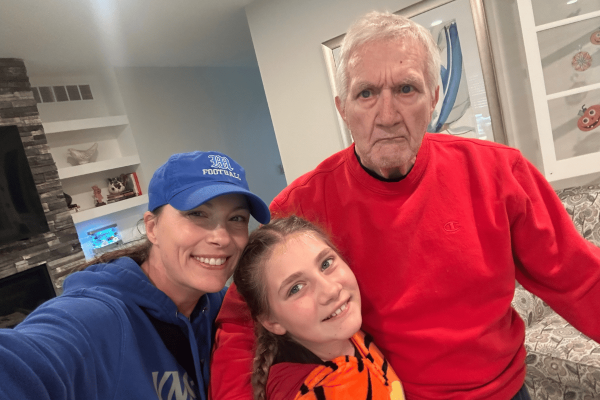
Caring for an aging parent, spouse, relative, or friend can be meaningful—and demanding. Across Dayton, Oakwood, Centerville, Kettering, Miamisburg, West Carrollton, Beavercreek, Bellbrook, Riverside, Xenia, Moraine, and nearby communities, family caregivers often manage meals, transportation, medications, appointments, personal care, household tasks, and emotional support while also balancing work and family life.
When those responsibilities continue without enough rest or help, caregiver stress can develop into caregiver burnout. Recognizing the signs early can protect the caregiver’s well-being and help the person receiving care continue to receive steady, compassionate support.
Caregiver burnout is not a sign that you have failed. It is often a sign that the care plan depends too heavily on one person and needs more support.
What Is Caregiver Burnout?
Caregiver burnout is a state of ongoing physical, emotional, and mental exhaustion associated with providing care without enough rest, relief, or practical support. It can develop gradually, which is why caregivers may adjust to increasing stress without realizing how much it is affecting them.
A difficult week does not always mean someone is burned out. Caregiver stress may improve after a good night’s sleep or a quiet weekend. Burnout tends to be more persistent. A caregiver may feel depleted even after resting, lose interest in activities, become emotionally detached, or struggle to keep up with personal health and everyday responsibilities.
Common Signs of Caregiver Burnout
Caregiver burnout can look different from one person to another. Common warning signs include:
- Feeling exhausted even after sleeping
- Becoming unusually impatient, irritable, or tearful
- Feeling anxious, trapped, helpless, or constantly “on alert”
- Withdrawing from friends, relatives, faith communities, or social activities
- Losing interest in hobbies and routines that once brought enjoyment
- Missing personal medical appointments or neglecting medications
- Experiencing changes in sleep, appetite, or concentration
- Having more frequent headaches, muscle tension, or other stress-related concerns
- Struggling at work or having more conflict with family members
- Feeling guilty whenever you rest or ask someone else to help
Some warning signs are easy to overlook because they resemble ordinary busyness. Families may notice changes in patience, sleep, health routines, social connection, or the caregiver’s ability to step away before the caregiver recognizes burnout themselves.
Why Caregiver Burnout Happens
Most families do not begin with a formal care plan. Caregiving may start after a fall, surgery, hospital stay, new diagnosis, or gradual change in an older adult’s independence. One weekly errand can become daily transportation, meal preparation, medication reminders, bathing assistance, overnight supervision, and appointment coordination.
Burnout is more likely when:
- One person carries most of the responsibility
- Care needs are unpredictable or increasing
- The caregiver is also raising children or supporting another household
- Family members disagree about what help is needed
- The caregiver lives far away or frequently travels to provide care
- Dementia-related changes interrupt sleep or require close supervision
- The caregiver lacks reliable backup for appointments, work, or emergencies
These pressures can affect devoted, capable caregivers. The issue is usually not a lack of commitment; it is an unsustainable amount of responsibility.
A Quick Caregiver Burnout Self-Check
Ask yourself the following questions:
- Have I postponed my own healthcare because I could not leave?
- Do I feel anxious whenever the phone rings or I am away?
- Am I sleeping poorly because I provide care or worry overnight?
- Have I stopped seeing people or doing things that matter to me?
- Is caregiving affecting my work, marriage, parenting, or other relationships?
- Would my loved one’s routine fall apart if I became sick for several days?
One “yes” can identify an area worth planning for. Several “yes” answers may indicate that the family needs a more sustainable care plan. This self-check is educational and is not a medical diagnosis.
What to Do When Caregiving Feels Overwhelming
1. Tell someone what is happening
Choose a trusted relative, friend, healthcare professional, faith leader, support-group facilitator, or aging-services professional. Be specific: “I need someone to stay with Dad on Thursday afternoons” is easier to act on than “I need more help.”
2. List the tasks—not just the worries
Write down transportation, meals, laundry, personal care, medication reminders, supervision, household tasks, and appointment coordination. The list makes invisible work visible and helps families divide responsibilities more fairly.
3. Identify one dependable backup
Start with the most urgent gap. That may be coverage during a work shift, help after a hospital discharge, a regular grocery trip, or a few hours of respite each week. A small, dependable solution can be more useful than occasional offers of help.
4. Protect essential personal needs
Schedule your own healthcare, sleep, meals, movement, and meaningful relationships as part of the care plan. These are not rewards to earn after every caregiving task is complete; they help make caregiving sustainable.
5. Reassess as needs change
A plan that worked six months ago may no longer fit. Revisit the schedule after a fall, hospitalization, change in mobility, increased confusion, or new difficulty with bathing, meals, medications, or nighttime safety.
When to Contact a Healthcare Professional
Consider talking with a physician or qualified mental-health professional when stress is persistent, physical symptoms are worsening, sleep is severely disrupted, or anxiety, depression, anger, or hopelessness is interfering with daily life. Seek immediate help through appropriate emergency services if there is an urgent risk of harm to the caregiver or the person receiving care.
Home care can provide practical support, but it does not replace medical or mental-health evaluation and treatment.
How Respite Care Can Support the Whole Family
Respite care provides temporary relief for a family caregiver while an older adult receives support at home. It may be scheduled regularly or used during a demanding period. Families often use respite care to:
- Attend personal appointments or work obligations
- Rest without worrying that their loved one is alone
- Spend time with a spouse, children, or grandchildren
- Run errands or participate in community activities
- Take a planned trip or recover from an illness
Accepting respite care is not stepping away from a loved one. It adds another reliable person to the care plan. Many families begin with a consistent block of time each week and adjust as needs change.
How Home Instead Supports Greater Dayton Families
Home Instead provides non-medical in-home care for older adults in Dayton, Oakwood, Centerville, Kettering, Miamisburg, West Carrollton, Beavercreek, Bellbrook, Riverside, Xenia, Moraine, and surrounding communities. Depending on the family’s needs, Care Professionals may assist with:
- Companionship and conversation
- Meal preparation and light housekeeping
- Transportation and errands
- Medication reminders
- Bathing, dressing, grooming, and other personal care
- Dementia and Alzheimer’s care
- Overnight support
- Respite care for family caregivers
The goal is to support—not replace—the family. A care consultation can help families describe what is happening, identify the most difficult times of day, and explore an appropriate level of support without pressure.
Free Caregiver Resources to Help With Next Steps
Caregiving often involves decisions that extend beyond the daily care routine. These free, printable Care Out Loud resources can help your family plan two common next steps:
- Hiring In-Home Care: Agency or Private? explains the differences between hiring independently and working with an agency, including scheduling, payroll, background checks, backup coverage, and questions to consider.
- Protecting Your Parents From Scammers covers common warning signs, practical technology safeguards, family conversation tips, and what to do if an older adult has already been targeted.
Download or print the guides, review them with other family members, and use them to begin a practical conversation about responsibilities, safety, and support.
Guidance for Referral and Healthcare Partners
Hospital social workers, case managers, nurse navigators, home health and hospice professionals, senior living teams, elder law attorneys, financial planners, veterans organizations, and aging-services professionals are often the first to notice caregiver strain. Helpful questions include:
- Who is providing care overnight and on weekends?
- Does the caregiver have a backup if they become ill?
- Is the caregiver missing work or personal healthcare appointments?
- Which tasks feel least manageable after discharge or between visits?
- Would scheduled respite or in-home assistance make the plan safer and more sustainable?
Sharing practical resources before a crisis can normalize support and give families time to make thoughtful decisions.
Frequently Asked Questions About Caregiver Burnout
What is the difference between caregiver stress and caregiver burnout?
Caregiver stress may fluctuate and improve with short-term rest. Burnout is usually more persistent and may include ongoing exhaustion, detachment, hopelessness, or difficulty recovering even after a break.
Is caregiver burnout normal?
Caregiver burnout is common, but it should not be ignored. It often means that responsibilities have exceeded the support available to the caregiver.
How do I know whether I need respite care?
Respite care may help if you are exhausted, missing your own appointments, struggling at work, unable to leave your loved one safely, or feeling that the current routine cannot continue without reliable backup.
Can respite care begin with only a few hours?
Yes. Many families begin with a regular block of support for errands, appointments, rest, or meaningful time with other family members, then adjust the schedule as needs change.
Does Home Instead provide caregiver support in Dayton and nearby communities?
Yes. Home Instead serves families throughout Greater Dayton, including Dayton, Oakwood, Centerville, Kettering, Miamisburg, West Carrollton, Beavercreek, Bellbrook, Riverside, Xenia, Moraine, and nearby communities.
You Do Not Have to Carry Every Responsibility Alone
Caregiver burnout does not erase the love, patience, or work you have already given. It signals that the care plan may need more people, more structure, or more rest.
If caregiving is becoming difficult to sustain, contact Home Instead of Dayton for a conversation about respite care and personalized in-home support. Exploring options does not obligate your family to begin services; it simply gives you clearer next steps.