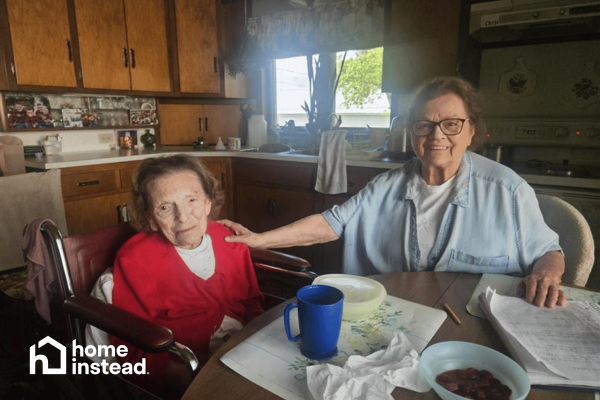
If it feels like more people you know are caring for an aging parent or loved one, you're not imagining it.
Across the United States, millions of adults now provide unpaid care for a family member, friend, or neighbor. Many are helping parents remain safely at home while balancing careers, raising children, and managing their own households. This growing group is often called the "sandwich generation" because they're caring for both older and younger family members at the same time.
While caregiving can be incredibly meaningful, it can also be physically exhausting, emotionally draining, and financially stressful.
At Home Instead serving St. Joseph County, we meet families every day who say the same thing:
"We didn't realize how much we were taking on until we were overwhelmed."
The good news is that families don't have to do it alone.
Family Caregiving Is More Common Than Ever
Americans are living longer than previous generations, allowing many older adults to enjoy more years at home. At the same time, chronic illnesses such as dementia, Parkinson's disease, heart disease, and arthritis often require increasing levels of day-to-day support.
As a result, family caregivers are becoming an essential part of our healthcare system.
Many caregivers help with:
- Transportation to appointments
- Grocery shopping
- Meal preparation
- Medication reminders
- Managing finances
- Housekeeping
- Personal care
- Coordinating medical appointments
- Providing companionship
These responsibilities often begin gradually. What starts as driving Mom to an appointment can slowly become daily visits, medication management, cooking, laundry, and constant worry.
Many families don't even realize they've become caregivers until they're already experiencing burnout.
The Hidden Cost of Caregiver Burnout
Family caregivers are incredibly dedicated, but even the most loving caregiver has limits.
Caregiver burnout happens when the physical, emotional, and mental demands of caregiving become overwhelming. It often develops slowly, making it difficult to recognize until stress begins affecting your own health.
Common signs include:
- Constant exhaustion
- Difficulty sleeping
- Increased anxiety or depression
- Feeling irritable or overwhelmed
- Withdrawing from friends and hobbies
- Neglecting your own medical appointments
- Feeling guilty whenever you're not helping
Many caregivers also experience something called "anticipatory grief"—the emotional weight of watching a loved one's health gradually change while trying to hold everything together.
It's important to remember that needing help doesn't mean you're failing.
It means you're human.
The Sandwich Generation Faces Unique Challenges
Many adults in their 40s, 50s, and early 60s are caring for aging parents while still raising children or supporting young adult kids.
This balancing act can feel impossible.
A typical day might include:
- Getting kids ready for school
- Working a full-time job
- Taking phone calls from doctors
- Visiting Mom after work
- Managing medications
- Preparing meals
- Helping with bills
- Trying to find time for yourself before doing it all again tomorrow
It's no surprise that many caregivers report feeling overwhelmed.
Without support, caregiving can impact relationships, careers, finances, and personal health.
When Is It Time to Ask for Help?
One of the biggest misconceptions about home care is that families should wait until a crisis happens.
In reality, the best time to explore care is before an emergency.
Consider additional support if your loved one is:
- Missing medications
- Falling or becoming unsteady
- Forgetting meals
- Struggling with bathing or dressing
- Feeling isolated or lonely
- Recently discharged from the hospital
- Showing signs of memory loss
- Needing more assistance than family members can consistently provide
You don't have to wait until someone needs around-the-clock care.
Even a few hours each week can make a significant difference.
Respite Care Gives Everyone a Chance to Recharge
Many caregivers tell us they feel guilty taking a break.
But breaks aren't selfish—they're essential.
Respite care allows family caregivers to step away knowing their loved one is safe and supported.
That time might be used to:
- Attend your own medical appointments
- Go to work without worrying
- Spend time with your spouse or children
- Run errands
- Meet friends for lunch
- Simply rest
Taking care of yourself helps you continue caring for someone else.
Home Care Supports Families—It Doesn't Replace Them
One concern we hear frequently is:
"I don't want someone else taking over."
Home care isn't about replacing family.
It's about supporting families.
Professional caregivers can assist with everyday tasks while allowing family members to spend more meaningful time together.
Instead of worrying about laundry, meal preparation, or bathing assistance, families can focus on conversations, favorite activities, sharing meals, and making memories.
That's often the greatest gift home care provides.
Personalized Care That Meets Your Family's Needs
Every family is different.
Some only need companionship a few hours each week.
Others benefit from daily visits after a hospitalization or ongoing support for someone living with dementia.
Home Instead provides personalized, non-medical home care services including:
- Companion care
- Personal care assistance
- Meal preparation
- Medication reminders
- Light housekeeping
- Transportation to appointments
- Dementia care
- Alzheimer's support
- Respite care for family caregivers
Care plans are designed around each family's goals and can change as needs evolve.
You're Not Alone
Caregiving is one of the most compassionate things a person can do.
But compassion shouldn't come at the expense of your own health and well-being.
If you're beginning to feel overwhelmed—or simply wondering whether it's time for additional support—it may help to have a conversation.
Our team has helped families throughout Mishawaka, South Bend, Granger, and communities across St. Joseph County navigate these decisions with confidence and compassion.
Whether you need occasional respite care or ongoing in-home support, we're here to help your loved one remain safe, comfortable, and independent at home while giving your family the support you deserve.
Schedule a Complimentary Care Consultation
If you're caring for an aging parent or loved one, you don't have to figure everything out on your own.
Contact Home Instead serving St. Joseph County to schedule a complimentary care consultation. We'll answer your questions, discuss your family's needs, and help you explore care options that make sense for your situation.
Sometimes, the best time to ask for help is before you desperately need it.