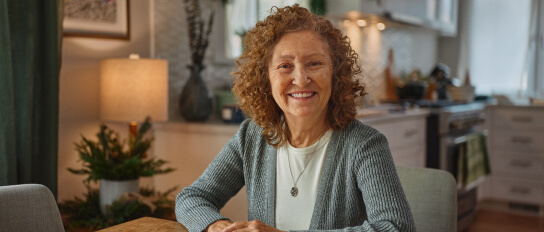
Valentine's Day is often celebrated as a time for love, connection, and cherished relationships. But for many older adults across Augusta, Martinez, Evans, Grovetown, Harlem, Appling, Hephzibah, N. Augusta, and Graniteville, this holiday can shine a spotlight on senior loneliness and the painful void left by lost loved ones or distant family. As families gather or couples exchange gifts, seniors—especially those living alone—may experience heightened feelings of isolation, grief, or longing for meaningful companionship.
Addressing senior loneliness and combating senior isolation isn't just about brightening a holiday. It's a year-round commitment to improving emotional wellness and supporting senior social connection, which are essential for healthy aging and quality of life. In this guide, we'll explore why Valentine's Day can be tough for seniors, the real health risks of isolation, practical ways to foster connection, and local resources available right here in the Augusta area.
The Hidden Heartache: Why Valentine's Day Amplifies Senior Loneliness in Georgia
While Valentine's Day is filled with messages of togetherness, it can intensify grief and loneliness that seniors face—especially after the loss of a spouse, partner, or close friends. For older adults in Georgia, and especially in rural communities like Appling, Harlem, or Graniteville, these feelings of disconnection can be even more pronounced due to limited transportation and fewer social opportunities.
According to UNFPA Georgia, Georgia's population aged 65+ reached 530,000 by 2014—an increase from 478,000 in 1989. Seniors now make up 14.3% of Georgia's population, and these numbers are rising. As communities age, more local families in Augusta, Evans, and Grovetown are impacted by the challenges of senior loneliness.

Understanding Emotional vs. Social Loneliness
National Trends
40% of U.S. adults age 45+ report loneliness in 2025, up from 35% in 2010. Lonely adults spend an average of 7.3 hours alone daily.
Emotional Loneliness
Occurs when someone misses close companionship or intimate bonds—often following bereavement or retirement.
Social Loneliness
Refers to lacking a broader network of friends, neighbors, or community ties. Both forms are common in rural communities.
Watch for signs: Is your loved one in Evans or Grovetown withdrawing from social activities, or not returning calls and messages? If you're concerned, reach out to Georgia 211 or the Central Savannah River Area Agency on Aging for local support and senior mental health screenings.
Loneliness and Health Risks: A Serious Threat to Older Adults
Loneliness is more than an emotional struggle—it's a significant health risk. Research links senior loneliness and social isolation older adults to a range of physical and mental health problems. According to AARP, 33% of older adults felt lonely often or some of the time in 2024, with loneliness carrying the same mortality risk as smoking 15 cigarettes per day.
| Health Risk | Associated with Loneliness? | Impact |
|---|---|---|
| Depression & Anxiety | Yes | Significantly increases risk |
| Cognitive Decline | Yes | Accelerates memory loss |
| Dementia | Yes | 13% lonely vs. 6% socially supported over 3 years |
| Heart Disease | Yes | Increases cardiovascular risks |
| Premature Mortality | Yes | 26% increase in risk |

What Can Local Families Do?
- Schedule regular phone or video check-ins—weekly if possible
- Contact the Georgia Department of Human Services - Division of Aging Services to learn about companionship for elderly programs
- Consider in-home companionship care from Home Instead to provide consistent, reliable support and human connection
- Explore Community Care Services Program (CCSP) for additional in-home help
Recognizing Signs of Isolation in Your Aging Loved Ones
Spotting senior loneliness isn't always straightforward, especially since many older adults hesitate to admit they feel alone or disconnected. Nearly 1 in 4 adults age 65+ are socially isolated nationally, and 40% of those 45+ report feeling lonely. But almost 6 in 10 seniors are reluctant to admit loneliness.
Common Signs of Senior Isolation
- Noticeable withdrawal from friends or family
- Fatigue, lethargy, or loss of interest in hobbies
- Fear of driving, falling, or going out alone (especially in Martinez or Evans)
- Less frequent contact with children, grandchildren, or former colleagues
- Avoiding social events or declining invitations
- Not returning calls or messages promptly
Local Action Steps
Visit programs at senior centers through the Central Savannah River Area Agency on Aging or Heart of Georgia AAA. Call GeorgiaCares for Medicare-linked counseling and support for long-distance family connection.
Heartwarming Valentine's Day Activities for Seniors – Inclusive and Accessible
Valentine's Day can be a perfect opportunity to nurture senior social connection and create meaningful activities for elderly—even if mobility or memory loss is a concern.
Valentine Activities for Seniors: All Abilities, All Situations
For in-person or at-home celebrations:
- Share a romantic dinner or themed meal at home
- Create photo albums, write love letters, or look through memory boxes
- Make homemade Valentine's cards or heart-shaped crafts together
- Bake simple, heart-themed treats
Dementia-friendly Valentine's Day ideas:
- Prepare memory boxes filled with old photos, letters, or keepsakes
- Enjoy classic love songs or watch favorite romantic movies together
- Try simple puzzles or large-piece word games
- Focus on sensory experiences: soft music, scented flowers, gentle touch

Activity Options by Ability Level
| Activity Type | Dementia-Friendly? | Solo-Friendly? | Group-Friendly? |
|---|---|---|---|
| Memory box activities | Yes | Yes | Yes |
| Seated crafts | Yes | Yes | Yes |
| Virtual call/party | Yes | Yes | Yes |
| Bingo/tea party | Yes (with support) | No | Yes |
Host activities in Grovetown homes or at Augusta senior centers. Use large-print materials, keep noise levels low, and offer support for those with dementia or mobility concerns. For safe facilitation, pair these activities with specialized dementia support from Home Instead.
Bridging Distances: Virtual and Long-Distance Connection Strategies

With families spread between Augusta, Graniteville, and beyond, long-distance family connection is a growing concern for seniors who spend long hours alone—on average, 7.3 hours daily if they identify as lonely.
Creative Ways to Stay Connected
- Organize video calls with shared meals or movie nights
- Play online games or read stories together virtually
- Exchange handwritten letters or photo postcards
- Reminisce about past Valentine's Days by calling childhood friends or relatives
Local Resource Tip: Families in Graniteville can use free Georgia 211 tech training to help seniors connect with Augusta relatives. The SOURCE program also helps set up virtual care options for those needing support with technology.
Building Lasting Connections: Year-Round Solutions and Local Georgia Resources
Fostering senior social connection and combating social isolation older adults is a year-round responsibility. Ongoing, consistent interaction—whether through professional care, community groups, or regular family contact—protects senior mental and physical health.
Augusta-Area Resources for Senior Social Connection
| Resource | Description | Contact for Augusta-Area Families |
|---|---|---|
| Central Savannah River Area Agency on Aging | Senior centers, social programs in Evans, Grovetown, Harlem | Local events, Valentine activities for seniors |
| Georgia Division of Aging Services | In-home care (CCSP), GeorgiaCares counseling | Statewide emotional wellness seniors support |
| Heart of Georgia AAA | Rural outreach (Appling, Hephzibah) | Combating senior isolation groups |
| Georgia 211 | Referrals for transport, social visits | Dial 211 for N. Augusta/Graniteville |
- Encourage consistent visits, whether by family or professional caregivers
- Suggest volunteering or joining interest-based groups for seniors
- Consider Home Instead's companionship care for reliable, friendly support
- Honor cherished memories while making new ones through shared activities
Love, Connection, and Wellness for Augusta's Seniors—Today and Every Day