
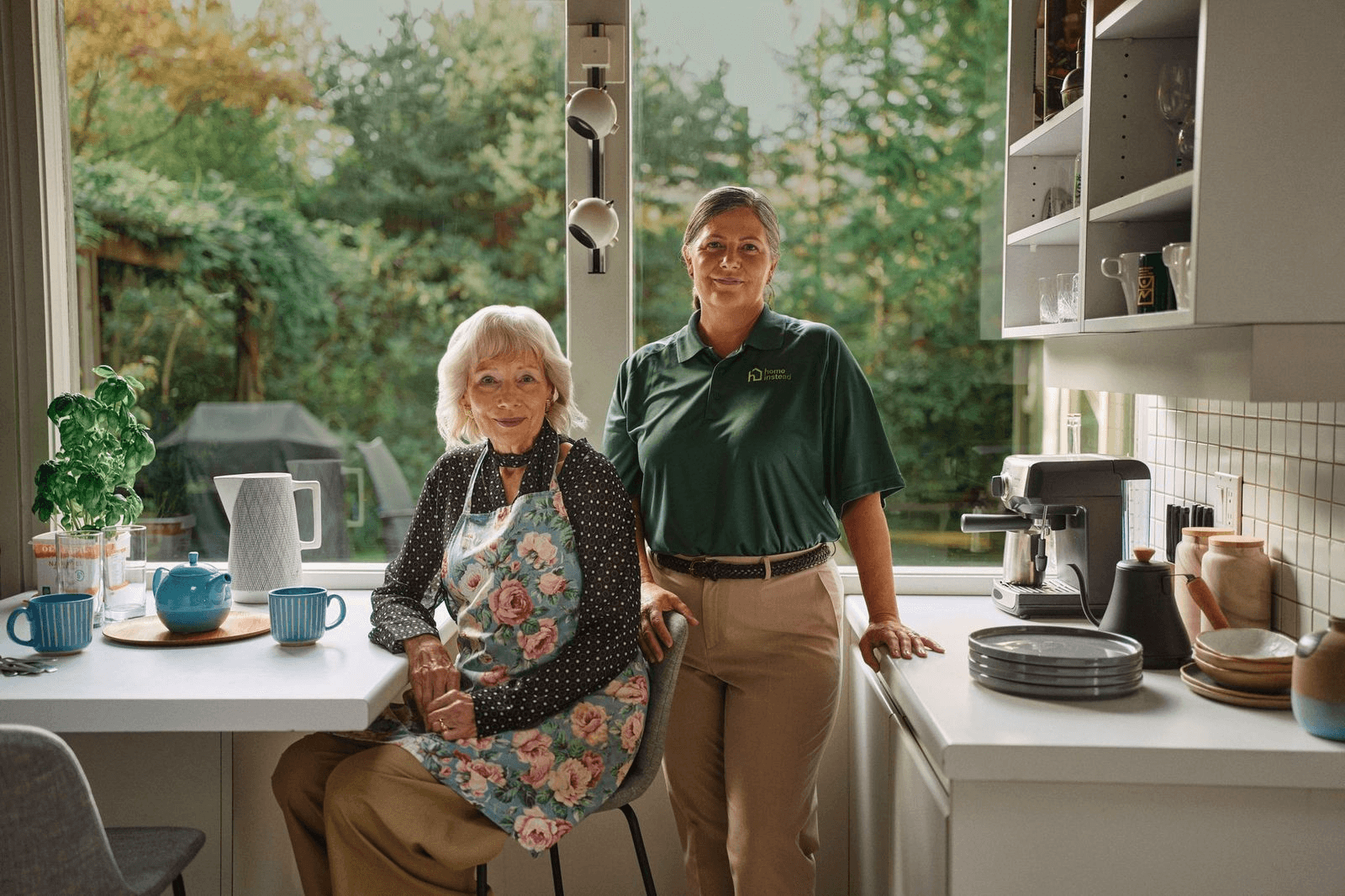
Why we’re the most trusted home care service in Southwest Allegheny County:
We’ve been caring for Southwest Allegheny County since 1999, providing over 200K hours of home care for hundreds of local families. Most clients begin receiving care within 48 hours, with a care plan that fits their life and a consistent caregiver that they come to know and trust.
Here’s why so many families choose us:

Skilled & Trusted Caregivers
We handpick every Care Pro for their skills, compassion, and professionalism—each one thoroughly vetted, trained, and ready to deliver exceptional care.

Flexible & Consistent Care
Need help during the day? Overnight care? Weekend coverage? We offer flexible options, on-time visits, and reliable care from Care Pros you know and trust.

Matches Made to Last
Because strong relationships lead to better care, we take time to find a Care Pro who’s the right fit—not just for the job, but for the person.

Proven Expertise
Behind every Care Pro is a team of experienced home care advisors, gerontologists, and specialists working to ensure you receive care that’s thoughtful, informed, and personal.

Customized Care Plans
Care isn’t one-size-fits-all. We partner with you to create a personalized care plan that grows and adapts as your needs change.

Unmatched Experience
Founded in 1994, Home Instead has helped older adults around the world age safely and with dignity at home, using a time-tested approach built on connection and compassion.

Connected Care
With our user-friendly care platform, you can get real-time updates, track care tasks, and manage care from anywhere—making home care less stressful and more connected.
Read our local Google reviews
Shakilya J.
Love to see great things put in an app and hopefully everything goes great and I can help you with your service and show you how great of a worker I am
Tom S.
We have been extremely pleased with Honor/Home Instead. Our primary contact with Home Instead, Sharon Reel, was tremendous in patiently answering our questions, helping set up our loved one's personal home care plans, making regular site visits with our family member to check in, and responding quickly to every question we asked from routine to urgent. After our loved one fell, we had to quickly increase care from 12 hrs. to 70 hrs per week, coverage that they accomplished in just a few days, making the sudden adjustments in the daily care and implementing the instructions of the visiting nurses, PT & OT. The 'care professionals' who we worked with as assigned to regular shifts as well as the subs involved the last three months have each been well trained, hard workers, and above all, consistently caring and supportive, and clearly wanting to do their best to support our loved one. Their daily reports were thorough. They communicated well, enabling me to be comfortable as an active partner in my loved one's care. Shout outs to these 'care pros' in particular: Karen D., Karilee A., Wilda T. and Whitney P.. I fully recommend Honor/Home Instead to any one seeking high quality home care options here in Pittsburgh.
Roberto C.
I have known Dan Wolfe for many years and he does a great job of caring for his clients.
Steve I.
We went with Home Instead because they have a long history of providing home care in and around Pittsburgh. My family had a great experience with multiple caring caregivers from Home Instead. The caregivers did everything they could to assist our family member to stay at home. We were able to add shifts (even overnights when needed). I highly recommend calling Home Instead if you are searching for home care.
Dawn M.
Everyone is extremely knowledgeable and polite. Very friendly and personable. Love everyone who I have met make me feel very warm and welcome..
The care you need for the life you want.
From making a meal to helping a loved one with memory loss, our services and our approach to home care in Southwest Allegheny County help older adults in the area age comfortably and confidently at home.

Personal Care
From a bit of help to a lot of support, our Care Pros deliver personalized, non-medical senior care that helps older adults stay safe and enjoy a better quality of life at home.

Memory Care
When someone you love is living with memory loss, cognitive changes, or dementia, our Care Pros offer compassionate, trusted memory support in the familiarity of your loved one’s own home.

Arthritis Care
Stiff joints shouldn’t steal daily joys. Our Care Pros offer gentle support with movement and everyday tasks, so older adults can stay comfortable, independent, and active on their terms.

Diabetes Care
Managing diabetes takes daily care. Our Care Pros support healthy routines, like meals, activity, and monitoring, so older adults can feel their best and live safely at home.

View our complete care offering
From care for Parkinson’s, arthritis, and diabetes to hospital-to-home support, enhanced care, chronic condition support, and care for veterans.
Trusted help for those everyday needs.
We know it’s the little things that often make life easier. That’s why our approach to senior care includes help with daily tasks and routines, like cooking meals, shopping, and even folding laundry.

Light Housekeeping & Meal Prep
We help with household tasks like laundry, vacuuming, and meal preparation to ensure a clean, safe, and nurturing environment.

Transportation & Errands
We offer safe rides to just about anywhere around town. Have an appointment at UPMC, or need groceries from Giant Eagle? We help seniors stay active and connected.
Helpful FAQs
If you’ve noticed changes in your loved one’s routines, memory, or ability to manage daily life, you’re not alone. Families across Pittsburgh—whether in Mt. Lebanon, Monroeville, or Bethel Park—face this moment every day.
At Home Instead Pittsburgh, we’ve helped hundreds of local families determine when the time is right—and take that next step with clarity and compassion.
Here are a few signs it might be time for in-home care:
- Difficulty with bathing, dressing, or getting around safely
- Missed medications or medical appointments
- Social withdrawal or loneliness
- A decline in housekeeping, nutrition, or hygiene
- Burnout or stress for family caregivers
Our Care Pros are here to provide gentle support—so your loved one can remain independent at home, while you get peace of mind knowing they’re not alone.
Not sure how to start the conversation? Download our “What’s Next” Toolkit for guidance and a checklist of signs.
You might be helping your loved one out of love—but also out of necessity. And when caregiving starts affecting your own health, work, or relationships, it may be time for support.
At Home Instead Pittsburgh, we’ve delivered over 200,000 hours of care to families across Allegheny County. We understand how personal—and how demanding—this role can be.
In-home care might be right if:
- You’re juggling caregiving with a job or raising kids
- You’re concerned about safety, especially after a recent health scare
- You want to preserve your relationship—not just manage care tasks
- You’re feeling physically or emotionally drained
We’ll meet your loved one where they are—whether it’s help in Upper St. Clair, companionship in McKeesport, or assistance after a discharge from UPMC.
You don’t have to wait for a crisis. Even a few hours a week can make a difference.
Download the “What’s Next” Toolkit
It depends on your loved one’s situation—but if staying at home is important to them, in-home care is often the best way to support that goal.
Why choose in-home care?
- Your loved one stays in the comfort of their own home
- They receive one-on-one care on a flexible schedule
- They keep routines, pets, and the comforts they love
- You maintain control without taking on all the responsibility
Why Home Instead over hiring privately?
Hiring someone independently may sound more affordable—but you take on the burden of:
- Payroll and taxes
- Liability and workers’ compensation
- Background checks and supervision
- Backup coverage if they cancel
With Home Instead Pittsburgh, you get:
- Fully vetted and trained employees
- Supervised, insured, and consistent care
- Fast starts—often within 48 hours
- Support from a full local office and a 24/7 care team
We’ll help you compare your options—no pressure.
In-home care is designed to help older adults live safely and confidently in their own homes—with help from someone who cares.
At Home Instead Pittsburgh, here’s how it works:
- Start with a free consultation. We visit your home (or meet virtually) to learn more about your loved one’s routines, health, and preferences.
- Create a personalized care plan. Whether you need personal care, companionship, Alzheimer’s support, or 24-hour care—we’ll build a plan that fits your life.
- Match with a trained Care Pro. Our team selects someone based on skills, availability, and personality fit. We work hard to find the right match the first time.
- Start care—quickly. We can often begin within 48 hours of your consultation, and there are no long-term contracts.
- Stay connected. We provide ongoing check-ins and 24/7 access to your local care team.
Ready to see what care at home could look like? Schedule a care consultation
At Home Instead, our caregivers—known as Care Pros—bring more than just practical support. They bring heart, respect, and consistent presence into the lives of the people they care for.
What makes our Pittsburgh Care Pros stand out?
- Extensive training and screening Every Care Pro undergoes background checks, safety training, and instruction in dementia care and chronic conditions.
- Employees, not independent contractors We handle taxes, insurance, and backup coverage—so you don’t have to.
- Thoughtful matching We consider personality, care needs, and communication style to create meaningful connections.
- Trusted by families throughout the region With 215+ local reviews and a 4.8-star rating, families consistently praise our reliability and compassion.
Whether it’s companionship near the Waterfront or helping with a daily routine in Penn Hills, your Care Pro is there to support—not just assist.
Meet the people behind the care: Get to know our Pittsburgh team
With over 26 years of local experience, over 200,000 hours of care delivered, and a 4.7-star Google rating, Home Instead Pittsburgh is one of the area’s most trusted names in home care.
Here’s why:
- Fast, flexible scheduling—with starts often within 48 hours
- No long-term contracts—just care that adapts as you need it
- Experienced Care Pros trained in dementia, Parkinson’s, and post-hospital care
- Deep community ties with UPMC, AHN, and local rehab centers
- Responsive local office staff and 24/7 care coordination
We’ve cared for hundreds of families in this community—and our mission remains the same: help older adults thrive at home with dignity, safety, and joy. Let’s build a care plan that fits your family.
The cost of home care depends on how much help you need—and how often. Most families choose hourly support, which offers flexibility without long-term commitments.
At Home Instead Pittsburgh, we’ll help you build a plan that fits your loved one’s goals and your budget.
Ways families pay for care:
- Private pay (the most flexible option)
- Long-term care insurance (we’ll help you file claims)
- Veterans benefits (including Aid & Attendance for those who qualify)
- Retirement savings or health savings accounts
We’ve guided thousands of Pittsburgh families through the financial side of care—and we’re here to help you too.

Serving Southwest Allegheny County and the surrounding area.
Since 1999, Home Instead has been part of the community, providing quick access to top-rated home care in Southwest Allegheny County.
Proudly caring for communities near you:
Baldwin, Dormont, Robinson, Whitehall, Green Tree, Mount Lebanon Township, Bethel Park, Bridgeville, Crafton, Oakdale, Carnegie, Castle Shannon, Scott Township, Upper St. Clair Township, Washington County, McKees Rocks
…to name a few.
Get started with the most trusted home care in Pittsburgh.
Searching for reliable, compassionate home care or home care near Pittsburgh? We’re here to listen and help you through every step of the decision-making process.
Call Home Instead Pittsburgh at (412) 595-7554 or request a free consultation to begin creating a personalized care plan.


Get to Know a Care Pro
Pennapa A, Home Instead Southwest Allegheny County
"For me, it started with the simple desire to help others. Becoming a Care Pro felt like the perfect way to give from the heart while building meaningful skills. My favorite moments are the small ones—laughing, listening, or sitting in silence together. A client once told me, ‘Penny, you’re not just a penny—you’re a diamond.’ That moment reminded me why I love what I do.”