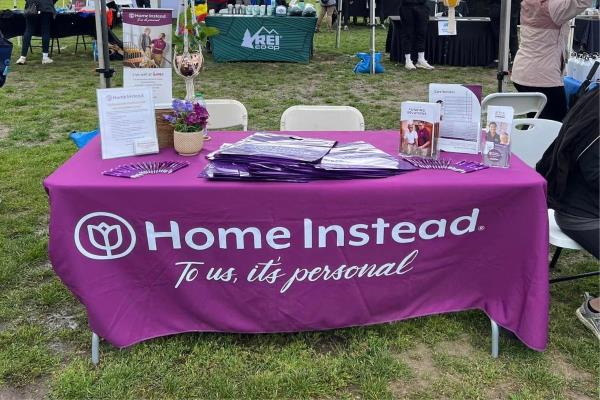
We can help your senior loved one remain safe in their own home.
To you, it’s about protecting your loved one and keeping them safe at home. To us, it’s about providing the highest-quality compassionate in-home care.
Awards & Recognition
Top Quality Care
It’s not always easy knowing where to start in the search for a quality home care agency for yourself or a loved one – the sheer number of options can be overwhelming, and finding the right agency is crucial to future happiness and well-being.
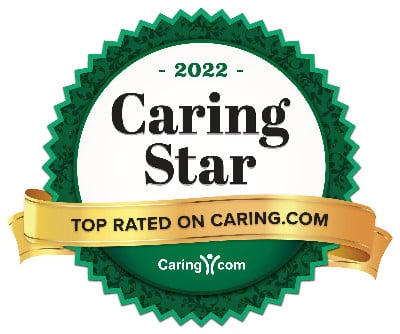
Home Instead is honored to have received a 2022 Caring.com Caring Stars award for Best In-Home Care!
Personalized in-home senior care services
What is Home Care?
Home care made just for you
Home Care Services
Our home care services can help aging adults stay engaged in everyday life with tailor-made support by professional caregivers to stay safe and well at home. It’s our mission to provide a care plan personalized to your family’s needs to bring comfort, connection, and quality of life in the place that they love the most, their home.

Personal Care

Alzheimer’s Care

Hospice Care

Meal Prep
We Would Love to Hear About Your Home Care Experience with Home Instead!
Review us on Google and Caring.com!


Professional Caregiver Careers