Within weeks of the computer being brought into my grandfather's home, the phone calls started. With his limited knowledge of technology, anything out of the box that happened would leave him totally lost. If a different message box popped up while he was checking his email; everything would have to be put on hold. If the internet disconnected, he would worry that he had somehow broken the computer. Despite the complications, we knew how important that having the computer and internet access was to him; he was finally connecting with family members he could no longer speak with because of his limited hearing, and he had regained a sense of self through finding activities he enjoyed, that he could do at home, since he had to give up some of the physical things that his life had formerly revolved around, and that made it all worth it.
Families in Houston all struggle with the decision of when it's the right time to get help for an aging relative. No one wants to admit that someone they love is getting older, because that brings them face to face with the concept of mortality and the idea that the important person in their life might not be part of it for much longer. However, by suggesting home care when the time seems right, families can give their loved ones the benefit of safety and health in their own homes. There is no definite equation for when it's the right time for home care, but some ideal situations can be used as signs that it might be time to start talking about it.
Situations when Home Care is Ideal
• Seniors who struggle with Activities of Daily Living - seniors who struggle with dressing, bathing, preparing meals, taking their medications, or keeping up with chores around the home are ideal candidates for in-home senior care
• Seniors with declining mobility - seniors who are having changes with their balance and mobility may be at a greater risk of falling or having an accident in the home when trying to perform ADLs . By hiring a caregiver, safety issues can be addressed and prevented through additional help
• Seniors who have had to give up driving - seniors who no longer drive for whatever reason, would greatly benefit from the help of a caregiver who can take them to run errands or to appointments
• Seniors who don't have family nearby - seniors who have the above problems but do not have family nearby to help them can benefit from in home care when there's no one else out there to help them
• Seniors who have come out of the hospital or rehab - after seniors have been released from the hospital or rehab program and are in recovery, it's better for seniors to have the help of a caregiver so they don't put too much of a burden on their bodies by trying to care for themselves or their homes
• Seniors who suffer from Alzheimer's or dementia - safety may be an issue for seniors who struggle with their memories
Sources:
1. Elder Issues
Image Source: pro.corbis.com
________________________________________________________________________________
June 26, 2009 | Posted by: Carebuzz | Posted in: Choosing the Best Care Option in Houston, Houston CAREGiver's Corner, Safety Concerns for Houston Seniors | Tagged: Elder home safety, Family caregivers, Houston Senior Care
Since family caregiving is so common today, with more seniors and their families opting for home care instead of traditional nursing home care, people often fail to see the risks that can come with it due to improper training in senior care techniques. Although agencies like Home Instead Senior Care in Houston don't provide medical care, they are better trained than most family caregivers. Professionals are well versed in caregiving techniques, home safety, and specific care for Alzheimer's, and they are trained to identify potential signs of illness.
When family caregivers are selected over professional senior caregivers, there are a number of risks that can be presented to the health and safety of a senior. Their homes may be ill-equipped for their level of physical mobility, and safety hazards in the home may be left unidentified, leaving more room for in-home accidents. When helping seniors with mobility around the home, family caregivers may not be aware of proper techniques for lifting or moving seniors, which could potentially put the senior at risk of injury. Very few home caregivers think they need to know CPR, believing that help is only a phone call away; while this might be true, training in basic first aid is essential, and this is a reassurance that can be provided by Home Instead Senior Care's professional non-medical caregivers.
Sources:
1. Seniors Daily
2. Home Instead Senior Care
Image Source: pro.corbis.com
________________________________________________________________________________
June 22, 2009 | Posted by: Carebuzz | Posted in: Common Problems and Problem Solving, Houston CAREGiver's Corner, Safety Concerns for Houston Seniors | Tagged: Caregiver help, Elderly's pet, Houston seniors
Q - My dad has a dog that has been part of his life for 10 years; since my mom passed away it's probably one of his best friends. The only problem is that my dad's mobility is declining, and I worry about his ability to take the dog outside for walks without having an accident or fall. He lives in an apartment, so he has no choice but to take the dog outside himself. I fear that this responsibility is becoming too much for him and that one day it might compromise his safety. Is there another option to having him get rid of his dog?
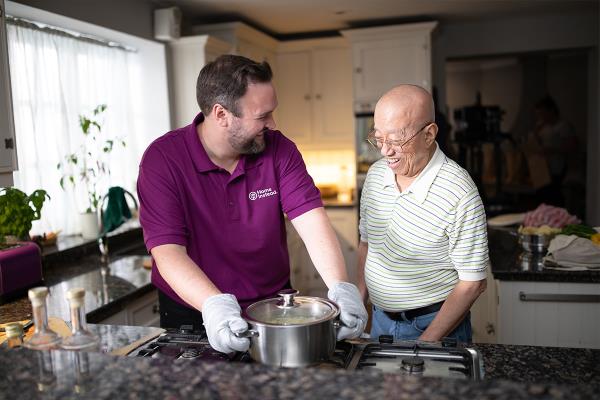
A - Fortunately for Houston seniors, there are other options available that don't require them to part with their favorite furry friends. Home Instead Senior Care can help your dad out with caring for his home and his direct care responsibilities as well as provide assistance in providing for his dog. A home caregiver can come by his home daily in order to help your dad prepare meals, clean up his house, take the dog out for a walk, and even run pet-related errands to ensure that both animal and human who live in the home are well cared for. Pets can make a significant contribution to the lives of seniors, however, they shouldn't pose a risk to health and safety; they should simply enhance senior's lives.
Sources:
1. Suite 101
Image Source: eldercareabcblog.com