Back to Site
Home

Home Instead Senior Care
White Rock

Call us today at 604-541-3386

Ensuring an Adequate Diet

Text Size:
Smaller Text
Larger Text
 

Food for Thought


Question:  My dad has been living independently in his own home for twenty years.  He refuses to even talk about moving into a facility, but my brother and I are concerned about his nutrition.  We have recently hired a meal delivery program, but dad doesn’t care much for the food, and often forgets to refrigerate his partially eaten meals.  Any suggestions?

Answer:  The meal delivery programs in our community do a great job and serve a large portion of our senior population. For many situations though, meal delivery may not be a satisfactory solution.  The senior may prefer food items, service times, or portion sizes that are much different than what is offered.  He or she may also require some motivation and guidance to make sure they eat properly on a regular basis.  Suggested options:


  • Take small portions from your family meals and store in individual freezer containers for your dad to heat up.
  • Check out your local church meal program.  Your dad may find these more palatable.
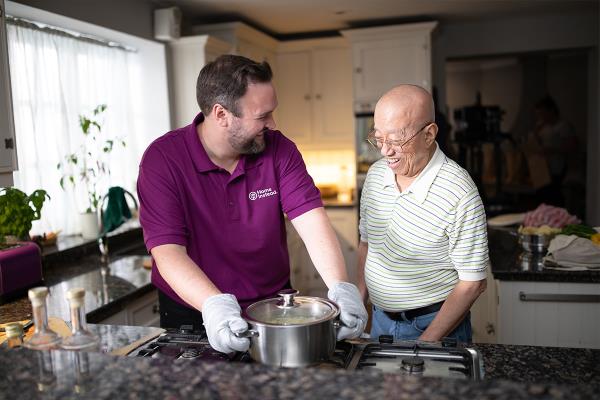
  • Have a senior home care service provide meal preparation in your dad’s home as part of their companionship services.  The caregiver/companion could visit a few days per week, prepare food in individual servings, and possibly freeze some for future meals.  Offer the caregiver dietary suggestions and perhaps even old family recipes that may inspire your dad to eat better.  Meal prep assistance, encouragement, and attention to house-keeping issues by the caregiver can add immensely to the quality, and regularity of his diet.


MEAL TIME NOTES


Because many seniors find meal preparation physically difficult, and have few companions with whom to share a meal, understandably their zest for cooking and eating is diminished.  Doing some extra research and planning is key to recapturing some of the mealtime enjoyment of years gone by.  Some suggestions for making the most of mealtimes are:

  • Prepare foods that provide a variety of texture, colour, and temperature.
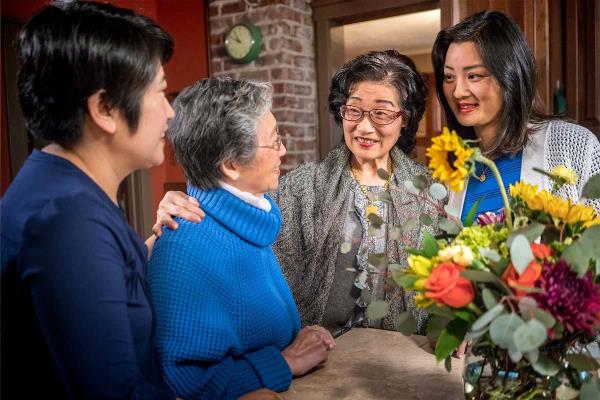
  • Prepare a pleasant setting, i.e., make up a cheery centerpiece of flowers,  use place mats & matching dishes & ensure good lighting.
  • It is better to serve small portions frequently.
  • Encourage the senior to eat slowly.
  • Avoid fried, greasy and heavily spiced foods.
  • If dexterity is a challenge, serve finger food – avoid frustration and embarrassment.
  • Use family recipes – memory of tastes and smells usually remain strong, even among those challenged with loss of memory.
  • Plan for ways of getting enough fluids. Include lots of soups, fruits, etc. with meals and encourage water consumption.


            This information is provided for educational purposes only and should not be considered as a recommendation for a specific course of action.