Caregivers Need Care Too
Question: My husband and I are in our early 80’s and have had a very active life together. Recently however his health has deteriorated to the point where I spend most of my time and energy caring for him. It is our desire to remain at home for as long as possible but I’m getting worn out and depressed. I’ve considered getting help but my husband is resistant to having a care worker in our home. Do you have any ideas?
Answer: Yes. Caregiver burnout may lead to the very outcome that you are trying to avoid - greater need for institutionalization. Respite is so important for a care giving spouse because without a break the constant stress will take its toll on the caregiver’s health, often in the form of anxiety and depression and ultimately leave both spouses incapacitated. You must take good care of yourself.
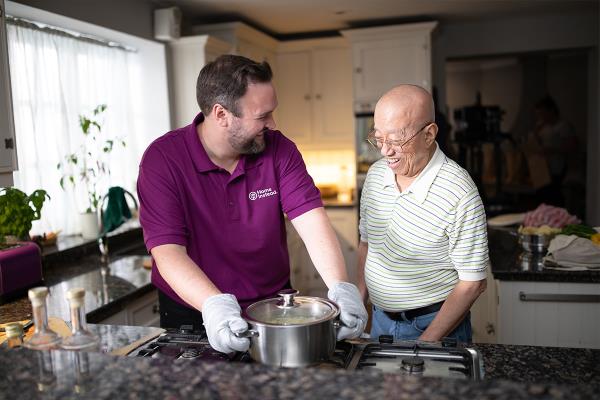
As for your husband, resistance to help is often caused by fear of the unknown. Find a service that assigns a high priority to finding just the right caregiver. Finding a compatible match for him and gently introducing the service will help alleviate his reluctance. Ideally your husband should maintain a feeling of independence with an intuitive caregiver who sincerely respects his needs and works with him as a trusted companion. The caregiver visits will be your opportunity to maintain your social life, stay in touch with your spiritual side, or just get away from the house and have a well-deserved rest.
HOW TO AVOID CAREGIVER BURNOUT
According to a recent report called A Guide to End-of-Life Care for Seniors sponsored by Health Canada, “29% of caregivers of persons with long-term health problems stated that care giving had altered their sleep patterns and 21% claimed their health had been altered.” The guide contains these practical pointers on recognizing the signs of caregiver burnout and preventing it:
Recognizing Possible Signs of Caregiver Burnout:
-
Withdrawing socially, losing touch with friends and favourite activities.
-
Anxiety about facing another day and what the future holds.
- Exhaustion such that completing daily tasks seems barely possible.
- Emotional reactions such as often being irritable, crying at minor upsets.
- Health problems, including weight gain or loss, chronic headaches or backaches.
Ways to Help Prevent Caregiver Burnout:
The reason for focusing on caregiver health and wellbeing is clear, according to the guide:
“A caregiver who does not take care of him/herself is not much good to his/her loved one. Do things that bring you joy and keep you going. You need to balance everything so that you can find the equilibrium that gives you energy for things you’d like to do as well as the things you have to do.”
This information is provided for educational purposes only and should not be considered as a recommendation for a specific course of action.