Back to Site
Home

Home Instead Senior Care
Torrance/Palos Verdes

Call us today at 310-542-0563

Tips for Family Caregivers

Text Size:
Smaller Text
Larger Text

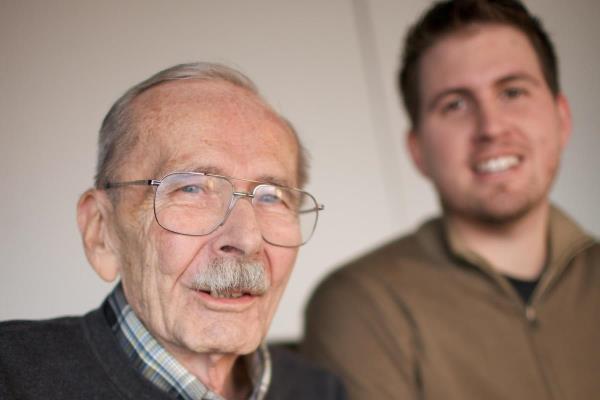
How to Overcome Prostate Cancer: The Emotional Effects

There's no secret remedy for overcoming prostate cancer itself, but after receiving a diagnosis many men find that the crippling effects are not necessarily those that come from the symptoms, but those that fester in their brains. Seniors can take control over their well-being by combating the emotional effects of prostate cancer, that can help them to overcome it:

1. Embrace knowledge - knowledge really is power, so research the disease, the symptoms, and the treatment options so you know exactly what to expect from it. At a time when you might feel hopeless, this can help you regain a sense of power over the situation
2. Accept support - you don't have to do it alone; accept support from family and friends to the degree that you're comfortable with and form a united front against the disease. You can even join a support group for other seniors with similar struggles
3. Recognize your partner's struggles - even if you have the disease, your partner is suffering almost as much at the time of diagnosis. Don't shut her out; try to get through it together
4. Don't let it affect your masculinity - many men fear prostate cancer because it can mean loss of sexual function. Not all options lead to this, so do your research so you can make an informed decision. Also know that whatever happens, you aren't less of a man, and no one who loves you would ever think that!
5. Be honest - don't hold back; recognize your physical symptoms and share them with your doctor. Also don't hesitate to let him/her know if you want a second opinion form another Torrance doctor, or if you're uncomfortable with a treatment option
6. Keep pushing forward - no matter what happens, don't accept defeat. Keep things going, never stop looking for knowledge, and never allow anyone else to make decisions for you as long as you're able

Via: Prostate Cancer Institute

Bio-Medicine

Image:www.jupiteriages.com
________________________________________________________________________________

6 Tips for Talking to Your Parents about Retirement Plans

While talking to your parents about retirement planning may seem like an uncomfortable role reversal for many families, it's important that as adult children, we understand what our parents want and how they have planned already for their retirement. Here are 6 tips for talking to your parents about retirement plans:

1. Start early - talk to your parents about their retirement plans by the time they are 50 - earlier is okay too, but don't wait too long! However, if your parents are already retired, it's not too late to have this conversation
2. Know their retirement goals - where do your parents want to live when they retire? Do they want to remain in Torrance? Do they want to travel? Do they want to take on any new hobbies or continue with old ones? This will help determine their financial needs for retirement
3. How much? - You might not feel comfortable asking your parents about their finances, but it's important to know if they have saved enough to get them through their retirement, while still meeting their goals. Ensure you let them know that they can't live on their Social Security Benefits alone; according to studies, these only cover about 40% of retirement living expenses
4. Check Social Security Benefits - although seniors can' live on their Social Security Benefit alone, requesting to know how much they will receive can help with financial planning for retirement
5. Let them know early retirement might be a possibility - whether or not they hope to retire early, with the economy today, many people are forced to retire at an earlier age. Take a look at the industry that your parents work in; if they are in an industry that's really being effected, it might result in early retirement
6. Discuss health care - knowing what your parents would want with regards to their health care is perhaps the most important so you know what to do if they are not able to speak for themselves. You can also encourage them to draft a living will, but make sure you know what they'd want with regards to senior services as well as health care

Via: Senior.com
_______________________________________________________________________________

Do Seniors Drive with Cell Phones?

We've all been discouraged from hitting the Torrance road with a cell phone firmly held against our ear, but that doesn't always stop us. It's no secret that driving skills can sometimes decline with age due to health and physical issues, so are seniors wise enough to avoid use of their cell phones when they get behind the wheel? According to the 48% of seniors who said that they wouldn't use a cell phone while driving, with age does come wisdom. But while they may have been the demographic who uses a cell phone the least behind the wheel, according to the study, there's still 52% who ignore warnings and talk or text while driving. These seniors need to look out for their safety and ensure that they aren't a hazard to other drivers when they get behind the wheel, and this can be accomplished with 4 tips for driving with cell phone safely.

1. Only use cell phone with hands free options - headsets, speaker phones and other gadgets can allow Torrance seniors to talk in the car without having to risk their safety by driving one handed
2. Don't dial while driving - trying to dial, text, or send an email while driving using a cell phone can result in serious distraction behind the wheel. Seniors should set up voice dialing if they plan on making calls anyways while driving, or only make calls when the car is stopped
3. Have a friend make the call - when driving with a friend, a senior driver can pass the phone off to someone else to make a phone call or answer a ringing cell phone if it's urgent
4. Turn off the phone - having a phone on and ringing can make it tempting to answer when it rings in the car. By shutting it off, seniors can stop themselves from making and receiving calls; however, the phone is still present for emergencies

Via: About

Image: pro.corbis.com
________________________________________________________________________________

10 Successful Traits of Highly Effective Seniors

Despite conceptions that older adulthood is a time when seniors become relatively useless, your seniors years can be full of opportunity and successes if that's what you want to make of them. Here are some of the top 10 successful traits of highly effective seniors to motivate you to make your senior years some of the best ones!

1. Think positive - visualize yourself accomplishing whatever it is that you want to achieve with success. Avoid negative thoughts and negative people
2 Set your goals - be specific about your goals, whatever they may be. Set a date and stick to it, for example, tell yourself - next month I am going to start volunteering in the community???
3. Stick to your goals - if you set a goal, find a way to make it happen. Don't make excuses or let fear hold you back. Without follow through goals don't mean anything!
4. Embrace new wisdom - you're never too old to learn something new, and you can never think that you know everything. Take a class, whether it's at a Torrance college, or to learn a new hobby from a craft store or other place that will teach you about your new interest
5. Be persistent - not all goals can be accomplished immediately, but if you keep your eye on your goals and work through any trials and tribulations, you'll get there
6. Make decisions wisely - get all the information you need an analyze decisions before you follow through
7. Invest in your future -  if you have a goal, it's okay to filter your time and money into achieving it. Don't feel guilty or let anyone stand in your way!
8. Communicate - talk to others about your goals, ask them to be open and honest and give them the same in return
9. Be different - don't set goals just because someone's told you there's certain things you should achieve in older adulthood, do what's right for you!
10. Admit when you're wrong - it's okay to make mistakes, just make sure you admit it when you're wrong

Sources:

1. About.com

Image Source: pro.corbis.com
________________________________________________________________________________

4 Things to Make You Happier and Healthier as a Senior

You might feel that aches, pains and illness are just a natural part of aging, but don't let those misconceptions fool you, because while they might commonly occur as complaints amongst Torrance seniors, you don't have to put up with them. Follow these 4 simple tips to learn how you can be a happier and healthier senior.

1) Pick healthy habits that you can stick with - if you don't enjoy your lifestyle changes with regards to diet and exercise, you just won't stick with it. Choose physical activities that you like doing, so you're motivated to keep it up, and don't just choose foods that you know are healthy - stick with ones that taste good, agree with your cooking style, and that provide you with a well-rounded diet!
2) Stop thinking that it's too late to make healthy changes -  it's never too late to start exercising and to receive benefits with regards to strength, flexibility, bone density and more. No matter what ails you, don't ever think that it's too late. Any steps you take to improve your health are helpful and positive!
3) Don't let fear hold you back - you might worry that exercise will cause injury and greater problems, but if you suffer from diabetes, high blood pressure or other common illnesses for Torrance seniors, then the risks that can come from NOT exercising, are actually much greater than the risk of injury when you do
4) Make small changes to your diet - making small changes to increase the fiber in your diet, or the fruits, vegetables and other nutrients, can make a huge different. Gradually replace your less healthy food choices to those that will have a more favorable impact on your body!

Sources:
1. Family Doctor
________________________________________________________________________________

Tips on Preventing Senior Stress

There's no denying that getting older is stressful; as we age we cope with many anxieties and uncertainties that can go hand in hand with changes in health, loss of loved ones and changes in lifestyle that can make seniors feel like they're out of control. But stress doesn't have to be a natural result of aging that Torrance seniors accept; with some simple methods, such as exercise, stress and anxiety can be reduced. It's important that seniors keep some simple techniques in mind when beginning an exercise program to ensure that it reduces their stress level and improves their health, without being an additional source of anxiety.

• Always choose activities that are enjoyable, otherwise seniors will grow to resent being physically active
• Avoid activities that are competitive to avoid creating natural tension. Seniors don't need to do activities solo, but they should make sure that they avoid competitive sports and other physical activities that make them feel like they want to win
• Aerobic and anaerobic exercises can both help reduce stress. Seniors should incorporate 30 to 60 minutes of aerobic exercise into their routines 3-5 days per week, and also try resistance training
• Don't begin any activity without clearance from a doctor or assistance from a fitness professional. Seniors who worry that by completing physical activities incorrectly they will injure themselves, or are concerned about the affects upon their health can make sure these stressors are avoided

Sources:

1. Suite 101
2. Mayo Clinic
________________________________________________________________________________

Resistance Training not for Muscle Mass in Seniors

I've always encouraged my care recipients to engage in some form of resistance training in order to benefit their overall health. But I was surprised to find recently that for seniors over 80, the benefits aren't as extensive as it was always assumed. Resistance training should still be encouraged in order to improve physical strength and help with bone density loss, but it turns out, that muscle mass can't actually be regained after a certain age - so seniors past age 80 are actually out of luck.

My Torrance seniors still do incorporate resistance training into their day-to-day routine because I find that having increased strength can help them with their independence. They don't need to rely on me fully to help them get in and out of the bathtub, get up and down the stairs in their home, or use the toilet because their own physical capabilities are increased. They might not build muscle mass, but who wants to see an 80 year old women with bulging biceps anyways?

Sources:

1. Health Discovery Canada

Image Source: pro.corbis.com
________________________________________________________________________________

Why Water Aerobics are Great for Fit Seniors

Seniors are constantly looking for ways to keep fit, but they're always worrying about how their activities can have negative repercussions on their health. Torrance seniors worry that when walking, they will cause pain to the joints or muscles, they worry that they might pull or strain a muscle when trying yoga or stretching, and they fear back injuries when it comes to resistance training. It may sound like it's hopeless for seniors to find an activity that benefits their health without harming it, but there is a solution. Instead of giving up on exercise altogether, Torrance seniors who want to stay fit but have concerns, should try water aerobics, which is easy on the body and great for health! With water aerobics, seniors will do their bodies and health the following favors:

• Provides support - although some level of resistance is provided when exercising in the water, approximately 80%-90% of muscle and joint injuries are prevented when in the water because it supports most of a senior's weight and reduces impact
• Fast results - believe it or not, seniors can receive faster results, building muscular tone and strength in water, versus on land because of the resistance provided by the water
• Improves cardiovascular health - water aerobics are a great cardiovascular activity to help seniors remain fit and healthy, however, studies also show that the heart rate is maintained at a lower rate so it is less likely that a senior will harm their health
• Better temperature conditions - exercising outside can expose seniors to a variety of elements which can result in heat stroke and other complications. When exercising in the water, seniors remain in a cool, climate controlled environment, especially when at an indoor pool

Sources:

1. I Love India
2. Associated Content
3. Suite101
________________________________________________________________________________

Seniors with Aphasia or Apraxia

When a Torrance senior has lost the ability to communicate due to a condition like expressive aphasia or apraxia it leads loved ones to wonder if there's really anyone in there. Conditions like these, which often develop after a senior has suffered from a stroke, can inhibit a senior's ability to communicate to some degree, or cause them to lose their speaking abilities completely. After a stroke, it's hard to know what cognitive capabilities of a senior are still in tact, and when a senior has no way of telling you what's going on in their mind, it's hard to know whether the issue goes only as far as speech or if there's more to it.

Not knowing can really make families change how they interact with their loved one; because even though the senior's cognitive skills may be in tact, it's like they're void of personality and families might forget that there really is someone still in there. People with expressive aphasia might have lost their ability to speak and they may exhibit signs of disorientation, but they're still in there and they still deserve to be treated with respect and dignity, especially by their family members. Instead of blocking them out, families can speak to them and interact just like they always have, ensuring that their elderly loved one suffering from expressive aphasia still feels like an important member of the family. Of course, some allocations do also have to be made to help them communicate and comprehend what is being said to them; always speak clearly and use expressive body language, and ask simple yes/no questions so they can still make their own decisions and communicate, even if they can't speak.

Expressive aphasia or apraxia are challenging for families to deal with; but just think how your loved one feels when they feel like they are trapped in their own body with no way to communicate.

Sources:

1. Stroke Association

2. The Aphasia Institute

3. Orange Blossom Farm

4. About

Image Source: transitionagingparents.com
________________________________________________________________________________

Tips for Preventing Varicose Veins

Varicose veins may not be a life threatening problem that puts Torrance seniors at risk, but it is a condition that comes with symptoms that are irritating to say the least. Varicose veins are signified by the following signs and symptoms:

• Enlarged blue or purple veins, often in the legs
• Leg swelling
• Swollen feet
• Swollen ankles
• Weak leg muscles
• Leg muscle cramps, especially at night
• Poor leg circulation
• Poor leg healing (bruising, scrapes and other issues remain longer)
• Itchy skin on the legs and ankles
• Leg ulcers
• Aches in legs when standing still

Varicose veins can occur, but there are ways to prevent them from occurring, if seniors are cognizant of their actions, they don't have to deal with them.

In order to prevent varicose veins, consider the following tips:

• Exercise regularly and focus on leg activities (walking, stretching) in order to improve circulation and strengthen the legs
• Don't cross your legs when sitting
• Don't stand or sit for long periods of time; make a point to change positions
• Avoid tight, constrictive clothing, except for support stockings
• Include high fiber foods in your diet

Sources:

1. Wrong Diagnosis
2. About